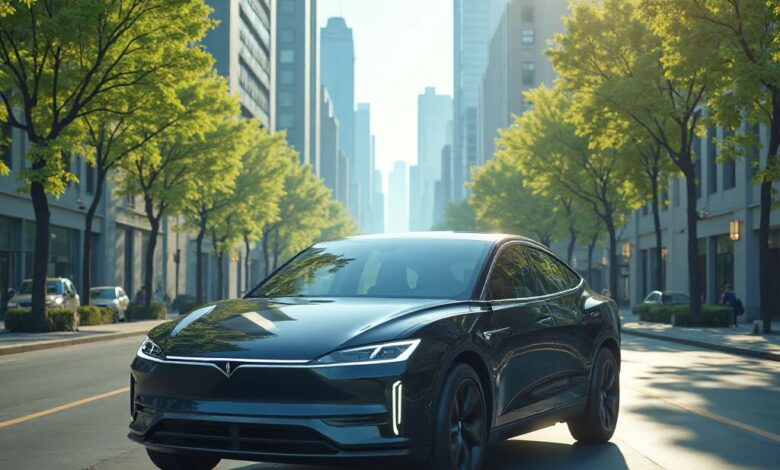
The Silent Revolution: How Electric Vehicles Are Reshaping Our Urban Air
Imagine a city where the air you breathe is as crisp and clean as a mountain breeze, even during rush hour. A bold claim? Perhaps. But the latest research on how electric vehicles (EVs) affect urban air quality isn’t just promising; it’s revealing a transformation more profound and rapid than many ever anticipated. While the roar of a petrol engine might evoke power for some, the silent hum of an EV is increasingly becoming the sound of progress, delivering a tangible, life-altering benefit directly into our lungs.
Why Clean Air Matters More Than Ever for Every Driver
For decades, the internal combustion engine (ICE) has been the undisputed king of our roads, powering our commutes, adventures, and livelihoods. Yet, this reign has come at a significant cost: urban air pollution. Nitrogen Oxides (NOx), Particulate Matter (PM2.5), Volatile Organic Compounds (VOCs), and Carbon Monoxide (CO) – these aren’t just scientific terms; they’re the invisible culprits behind respiratory illnesses, heart disease, and countless premature deaths in cities worldwide. As car enthusiasts, we appreciate performance and design, but as citizens, we can no longer ignore the environmental footprint of our beloved machines.
This isn’t just an abstract environmental issue; it directly impacts car buyers and owners. City dwellers, in particular, are exposed to higher concentrations of these pollutants daily. The rise of electric vehicles isn’t merely about fuel efficiency or futuristic tech; it’s about a fundamental shift towards healthier, more livable urban environments. Understanding this impact is crucial for anyone considering their next vehicle purchase, weighing the long-term benefits not just for their wallet, but for their health and their community.
The Unfiltered Truth: EV Impact on Urban Air Quality
The core promise of an electric vehicle is simple: zero tailpipe emissions. On the surface, this alone represents a monumental leap forward for urban air quality. But the science goes deeper, painting a detailed picture of the multifaceted benefits and the nuances that car buyers should understand.
Eliminating the Tailpipe Pollutants: The Obvious Wins
The most direct and immediate impact of EVs is the complete elimination of tailpipe emissions. This means no more NOx, which are key precursors to ground-level ozone (smog) and acid rain, and are directly linked to respiratory problems. No more fine particulate matter (PM2.5), microscopic particles that can penetrate deep into the lungs and even enter the bloodstream, contributing to heart attacks, strokes, and asthma attacks. Carbon Monoxide, a poisonous gas, is also a thing of the past for EV drivers. And VOCs, which also contribute to ozone formation, are significantly reduced.
Studies from cities like London and Paris, which have implemented strict low-emission zones and seen a rise in EV adoption, are already showing measurable decreases in these pollutants in heavily trafficked areas. The localized benefits are profound, creating “clean air islands” where concentrations of harmful gases drop dramatically.
The “Grid Mix” Conundrum: A Deeper Look at Emissions
Critics often point to the emissions generated by electricity production as a counter-argument to EVs’ environmental benefits. While it’s true that if an EV is charged using electricity from a coal-fired power plant, its overall lifecycle emissions won’t be zero, the impact on *urban air quality* is still overwhelmingly positive.
The key here is location. Emissions from power plants are typically generated far from dense urban centers, where the human health impact is less direct and more dispersed. Crucially, power plants are also subject to far stricter emissions controls than millions of individual internal combustion engines. Furthermore, grids worldwide are rapidly decarbonizing. Countries are investing heavily in renewable energy sources like solar and wind. As the grid gets cleaner, so does every EV powered by it, amplifying the air quality benefits over time. Companies like Tesla, Volkswagen with their ID. series, and Hyundai with the IONIQ 5 are all pushing for sustainable charging solutions and infrastructure that complement their vehicles.
Beyond the Tailpipe: Brake Dust and Tire Wear
Even without a tailpipe, vehicles still generate “non-tailpipe” emissions from brake wear, tire wear, and road surface abrasion. This is an area of ongoing research, but EVs offer an advantage here too.
Many EVs, from the Chevrolet Bolt to the luxurious Lucid Air, utilize regenerative braking. This system converts kinetic energy back into electricity, significantly reducing the need for friction braking. As a result, EVs generate substantially less brake dust – a known source of metallic particulate matter – compared to their ICE counterparts. While tire wear and road wear remain, these are common to all vehicles and not unique to EVs. The overall reduction in total vehicle emissions from switching to electric is still substantial, even when considering these factors.
Expert Analysis: Insider Insights You Won’t Find Everywhere
Having spent a decade immersed in the automotive world, I’ve seen the narratives shift and the technology evolve. Here are a few insider insights that go beyond the headlines:
-
The “Tipping Point” for Tangible Change:
Many wonder when we’ll *really* feel the difference in our cities. Research suggests that while every EV helps, a noticeable, widespread improvement in urban air quality often begins when EV adoption reaches around 15-20% of the total vehicle fleet in a given area. Above this threshold, the cumulative effect becomes statistically significant, leading to measurable health benefits. We’re seeing cities in Norway and parts of California approaching or exceeding this, and the data is compelling.
-
Policy as a Catalyst: The Unsung Hero:
While brands like Ford with the Mach-E and Rivian with the R1T are making EVs desirable, government policies are accelerating the air quality benefits. Low Emission Zones (LEZs), congestion charges for ICE vehicles, and incentives for EV purchases (like those for the Kia EV6 or Audi e-tron) are not just pushing sales; they are directly targeting and cleaning up the most polluted urban corridors, creating a feedback loop of positive change.
-
The “Quiet Factor” is More Than Just Noise:
We often talk about air pollution, but noise pollution is another significant urban problem linked to ICE vehicles. EVs, being inherently quieter, reduce ambient noise levels, particularly at lower speeds. This isn’t just about comfort; reduced noise pollution has documented benefits for mental health, stress levels, and even wildlife in urban green spaces. It’s an often-overlooked but vital contribution to overall urban quality of life.
-
The Interconnectedness of Infrastructure and Impact:
The speed at which urban air quality improves is directly tied to charging infrastructure development. A robust network of chargers, from Level 2 home chargers to ultra-fast DC chargers like those supporting Porsche Taycan or Mercedes-Benz EQS, removes range anxiety and encourages adoption. More EVs mean less pollution, but only if they can be conveniently charged. This symbiotic relationship is critical for maximizing the environmental dividend.
-
Beyond the Passenger Car: Commercial EV’s Game-Changing Role:
While consumer EVs get the headlines, the electrification of commercial fleets – delivery vans, buses, and taxis – will have an even more concentrated impact on urban air quality. These vehicles operate constantly within city limits, often in the most congested and polluted areas. Brands like Volkswagen with their ID. Buzz Cargo and upcoming electric trucks from companies like Chevrolet and Ford are poised to make a massive difference in the air quality of our central business districts and logistics hubs.
The Road Ahead: EVs and a Breath of Fresh Air
The research is clear: electric vehicles are not just a cleaner alternative; they are a fundamental solution to the pervasive problem of urban air pollution. While the journey to a fully electric fleet is ongoing, the benefits are already being felt in cities around the globe. From the sophisticated engineering of a BMW iX to the accessible practicality of a Toyota bZ4X, every EV on the road is a step towards a healthier future.
Pros of EVs for Urban Air Quality:
- Elimination of Tailpipe Emissions: Directly removes harmful NOx, PM2.5, CO, and VOCs from city streets.
- Improved Public Health: Leads to fewer respiratory illnesses, cardiovascular diseases, and premature deaths.
- Reduced Urban Smog and Haze: Contributes to clearer skies and better visibility.
- Quieter Cities: Less noise pollution enhances overall urban quality of life.
- Lower Brake Dust Emissions: Regenerative braking significantly reduces particulate matter from brake wear.
- Decarbonizing Grid Benefits: As electricity generation shifts to renewables, the “upstream” emissions continue to decrease.
Cons/Considerations of EVs for Urban Air Quality:
- Grid Emission Dependency: Air quality benefits are maximized when electricity comes from clean sources.
- Non-Tailpipe Emissions Remain: Tire wear and road surface wear still contribute to particulate matter (though overall impact is less than ICE).
- Manufacturing Footprint: While not a direct urban air quality issue from driving, battery production has its own environmental considerations (offset by driving benefits over vehicle lifespan).
- Infrastructure Challenges: Widespread adoption and maximized benefits depend on robust charging networks.
The Final Verdict: Drive the Change You Want to Breathe
The evidence is overwhelming: electric vehicles are a game-changer for urban air quality. The latest research confirms that by eliminating tailpipe emissions, leveraging cleaner energy grids, and even reducing brake dust, EVs are actively transforming our cities into healthier, more pleasant places to live. This isn’t just about reducing carbon footprints; it’s about directly improving the air we breathe every single day.
For first-time buyers and experienced car owners alike, the decision to go electric is no longer just an environmental statement; it’s a practical choice for health, economy, and the future of our urban landscapes. Whether you’re eyeing a sleek Tesla Model 3, a rugged Ford F-150 Lightning, or a family-friendly Hyundai Kona Electric, you’re not just buying a car; you’re investing in cleaner air for your community.
Recommendation: If you live in an urban or suburban environment and are considering a new vehicle, an electric vehicle should be at the very top of your list. The benefits to air quality are immediate, measurable, and profound. Test drive an EV, explore the charging options in your area, and become part of the silent revolution that’s cleaning up our cities, one emission-free mile at a time.
Call to Action: Visit your local dealership, research the latest EV models from brands like Volkswagen, Porsche, BMW, Mercedes, and Audi, and discover how an electric vehicle can improve not just your commute, but the very air you breathe.