

Introduction
Electric vehicles are everywhere right now. Tesla is pushing new models. China is flooding the market with EVs. Governments are setting deadlines to ban petrol cars.
So one big question keeps coming up: Why is Toyota, the world’s largest carmaker, still cautious about going fully electric?
This matters because Toyota sells millions of cars every year. What Toyota decides to do can shape the future of driving for regular people, not just tech fans or early adopters. Let’s break it down in simple terms.
Toyota’s EV Strategy So Far
Toyota is not anti-electric. That’s a common misunderstanding.
The company was actually ahead of everyone with hybrids like the Prius, which launched in the 1990s. Instead of jumping straight into full EVs, Toyota chose a multi-path approach.
This means Toyota focuses on:
- Hybrid cars (gas + electric)
- Plug-in hybrids
- Hydrogen fuel cell vehicles
- A slow and careful move into full EVs
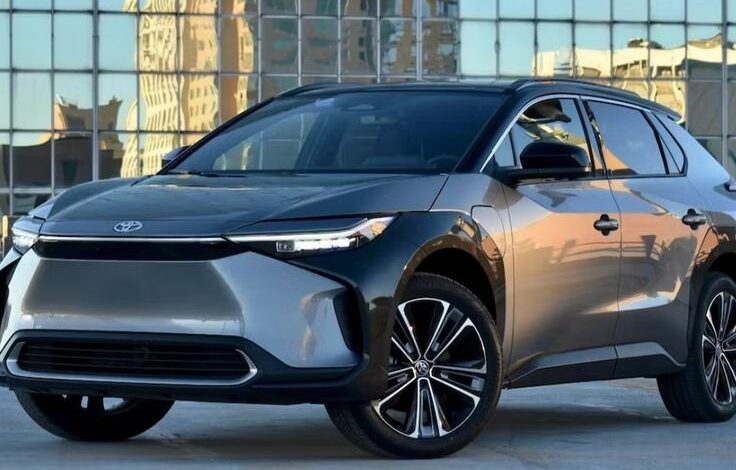
Their first modern global EV, the Toyota bZ4X, arrived later than rivals and in limited numbers.
Why Toyota Is Hesitant About Full EVs
1. Battery Supply and Cost Concerns
Batteries are expensive. They also use rare materials like lithium and cobalt.
Toyota believes:
- Battery shortages could raise car prices
- Not every country has strong battery supply chains
- Affordable EVs are still hard to make at scale
Toyota worries that rushing into full EVs could make cars too expensive for average buyers.
2. Charging Infrastructure Is Not Ready Everywhere
EV charging works well in places like:
- Parts of Europe
- China
- Some U.S. cities
But many regions still lack:
- Fast chargers
- Reliable electricity
- Home charging options
Toyota sells cars globally, including Africa, Southeast Asia, and rural areas. The company believes hybrids make more sense right now in many of these places.
3. Environmental Impact Beyond the Tailpipe
Toyota often says EVs are not automatically “clean.”
Their argument is simple:
- Making batteries creates pollution
- Electricity still comes from coal in many countries
- Recycling batteries is a challenge
Toyota believes a hybrid that burns less fuel can sometimes be better overall than a full EV in regions with dirty power grids.
4. Protecting Reliability and Reputation
Toyota is famous for:
- Reliability
- Long-lasting cars
- Low repair costs
Rushing new EV technology could risk:
- Software problems
- Battery recalls
- Long-term durability issues
Toyota prefers to wait, test, and perfect before going all in.
Toyota EVs vs Competitors
Let’s compare Toyota’s approach with others.
Toyota vs Tesla
Tesla
- 100% focused on EVs
- Strong charging network
- Fast innovation, but quality issues reported
Toyota
- Slower EV rollout
- Strong hybrid lineup
- Known for durability and trust
Tesla moves fast. Toyota moves carefully.
Toyota vs Volkswagen
Volkswagen has invested heavily in EVs like the ID series. However, VW has faced:
- Software delays
- Factory challenges
- EV sales slowing in some markets
Toyota sees these struggles as a warning sign.
Pros and Cons of Toyota’s Cautious Approach
Pros
- Keeps cars affordable
- Works well in countries with poor charging
- Reduces risk of big mistakes
- Gives buyers more choices
Cons
- Falling behind in EV innovation
- Losing younger, tech-focused buyers
- Smaller EV lineup compared to rivals
Why This Matters to Buyers
Toyota’s strategy affects everyday drivers.
If you:
- Live in a place with limited charging
- Want a reliable car
- Care about long-term costs
Toyota’s hybrids may still be a smart choice.
But if you:
- Want cutting-edge EV tech
- Need fast charging
- Prefer zero tailpipe emissions
Other brands may feel more exciting right now.
Practical Advice for Car Shoppers
Before choosing an EV or hybrid, think about these points:
- Do you have easy access to charging?
- Is electricity reliable where you live?
- How long do you keep your cars?
- Do you want proven tech or the latest features?
If charging is difficult, a Toyota hybrid could save fuel without stress.
If charging is easy, a full EV might fit better.
What’s Next for Toyota?
Toyota is not standing still. The company is:
- Investing in solid-state batteries
- Expanding its EV lineup by the late 2020s
- Improving charging speed and range
Toyota believes the EV future will arrive, just not all at once.
Conclusion
Toyota’s hesitation about full EV adoption is not fear. It’s strategy.
The company is betting that hybrids, better batteries, and flexible options will serve more people worldwide. While others rush ahead, Toyota is choosing patience.
Whether that choice proves smart or risky will become clearer in the next few years. One thing is certain: Toyota’s decisions will continue to shape the global car market.
If you want more easy-to-read EV news and car breakdowns, stay tuned and keep exploring


