
Tesla Model Y 2025 Review: Features, Pros, and Cons for the World’s Best-Selling EV

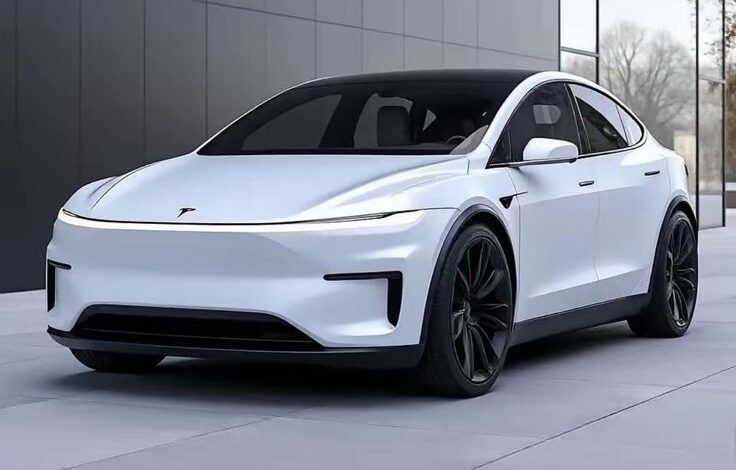
The Tesla Model Y has secured its place in history, not just as a leading electric vehicle (EV), but as one of the best-selling cars of any type globally. For the 2025 model year, this popular electric SUV has received a significant update, often called the “Juniper” refresh, bringing many changes that directly address the most common complaints about the previous version. This new model is more than just a fresh coat of paint; it features major improvements to the parts of the car you interact with every day, such as the suspension, the cabin noise levels, and the interior comforts. This detailed review will break down the features, the major advantages, and the remaining disadvantages of the 2025 Model Y, giving you a clear picture of whether this updated version is the right electric car for you and your family.
The 2025 Model Y steps into a market that is far more competitive than when the car first arrived. New rivals from traditional car companies and other EV makers are constantly pushing the limits of range and quality. Tesla’s strategy has been to refine and improve its core product, focusing on efficiency and user experience. This update is crucial for the Model Y to maintain its spot at the top of the sales charts. By focusing on ride comfort, interior luxury, and technology updates, Tesla is trying to appeal to a wider audience, especially those buyers moving away from gasoline-powered luxury SUVs. The update is substantial enough that it changes the fundamental conversation about the Model Y’s driving experience, turning what was once a very firm and noisy car into something far more refined and pleasant for daily use.
What is New for 2025? The Major “Juniper” Refresh Updates
While the basic shape and size of the Model Y remain familiar, the 2025 “Juniper” update introduces several key changes aimed at fixing past problems and improving the user experience. These updates are a direct result of Tesla listening to customer feedback, which is a strength of a company that constantly updates its products through software and hardware changes.
The most noticeable exterior change is the redesigned front and rear look. The front end is sleeker, featuring a new, thinner headlight design and a slightly different bumper that improves the car’s aerodynamic efficiency. This small change in design helps the car slip through the air more easily, which directly results in a small but valuable increase in driving range. At the back, there are new taillights that integrate seamlessly with the body design, giving the rear a more modern and finished look. These exterior tweaks make the 2025 Model Y look sharper and more contemporary than the older versions.
Inside the car, the focus was entirely on comfort and a feeling of premium quality. The 2025 Model Y now features ventilated front seats, which is a highly requested feature for driving in hot weather. It also gets ambient lighting that wraps around the cabin, allowing the driver to customize the car’s interior feel with different colors. This subtle change makes the previously bare cabin feel much warmer and more luxurious. The biggest improvement that affects the driving experience is the revised suspension tuning and noise reduction. The suspension has been softened, making the car handle bumps and rough roads much more smoothly. Combined with updated body construction and new acoustic glass, the cabin is significantly quieter, addressing a major complaint that the older Model Y was too noisy, especially at highway speeds. For drivers in markets where the refresh is fully deployed, the good news is that unlike the Model 3 update, the turn signal and gear selector stalks have been kept on the steering column, which many drivers find much easier to use than the buttons on the steering wheel.
Key Features and Advanced Technology
The 2025 Model Y remains a powerhouse of technology, centered around its minimalist cabin design. The car does away with almost all traditional buttons and physical controls, consolidating everything into a central display.
The entire driving experience revolves around the 15.4-inch central touchscreen. This screen is the command center for everything: the speedometer, navigation, climate controls, media, side mirror adjustments, and even opening the glove box. Tesla’s software interface is still considered the best in the industry, featuring incredibly fast response times, clear graphics, and constant updates that add new features over the car’s lifespan. The navigation system is particularly smart because it automatically plans your route to include necessary stops at the Supercharger network, taking the stress out of long-distance trips. For 2025, an 8-inch touchscreen for rear-seat passengers has been added, which is great for controlling climate settings or playing games, making the back seat much more engaging for children or passengers.
In terms of cargo and practicality, the Model Y remains an outstanding SUV. It features a huge rear hatchback that opens to a massive cargo area. The rear seats fold down almost completely flat with a simple push of a button in the refreshed model, creating an enormous storage space that is one of the biggest in its class. In addition to the main trunk, the Model Y has a spacious frunk (front trunk) where a gasoline engine would normally sit. This extra, clean storage space is perfect for storing charging cables or groceries.
Finally, the Autopilot and Full Self-Driving (Supervised) systems define the car’s advanced technology. Every Model Y comes standard with Autopilot, which provides excellent adaptive cruise control and steering assistance for highway driving. The optional Full Self-Driving (Supervised) software offers more advanced features like automatic lane changes, navigation on city streets, and automatic parking. While this feature is still being developed and requires the driver to remain attentive at all times, it represents the leading edge of driver assistance technology available in a consumer car today.
Pros: The Model Y’s Big Advantages
The success of the Tesla Model Y is built on several key advantages that remain true for the 2025 model, setting it apart from its growing competition.
The biggest pro is the Supercharger Network and Efficiency. No other car company offers a charging network as widespread, reliable, and simple to use as Tesla’s Superchargers. When you take a road trip, you just plug in, and the car recognizes itself and starts charging instantly without the need for credit cards or phone apps. The 2025 Model Y is also extremely efficient, meaning it can travel further on the same amount of battery energy than most rivals. This efficiency results in an excellent EPA-estimated range, with the Long Range All-Wheel Drive model boasting a range of over 320 miles. This long range and reliable charging make the Model Y the benchmark for stress-free long-distance electric travel.
Another major pro is the Blistering Performance and Handling. Even the base model of the Model Y is quick, and the Performance variant can reach 60 miles per hour in just over three seconds, making it faster than many sports cars. The acceleration is instant and smooth, which makes it very fun to drive. Furthermore, the Model Y is one of the most practical electric SUVs because of its huge cargo space. The combination of the frunk and the massive rear cargo area makes it a highly usable family vehicle that can easily swallow luggage, sports equipment, or large shopping trips.
The final pro is the Continuous Software Improvement. Unlike traditional cars that feel old the moment you drive them off the lot, the Model Y constantly receives over-the-air software updates that improve performance, add new features, and refine the car’s technology and efficiency over time. This means the car you buy today will be a better car a year from now, something few competitors can promise. The addition of things like better acoustic glass, ventilated seats, and the rear screen in the 2025 update shows that Tesla uses these updates to integrate major hardware improvements and respond quickly to customer feedback.
Cons: Where the Model Y Falls Short
Despite the many improvements in the 2025 refresh, the Model Y still has some weaknesses that potential buyers should consider, especially when compared to other luxury or mainstream SUVs.
The first major con, though improved, is still the Ride Quality and Cabin Simplicity. While the 2025 model’s new suspension makes the ride significantly smoother and quieter than the previous version, it can still feel firmer or less luxurious than rivals like the Kia EV6 or the Ford Mustang Mach-E, especially on larger wheel options. The minimalist interior design, while praised by some, is a major con for others. The complete lack of a traditional gauge cluster directly in front of the driver means you must look over to the central screen to check your speed. This requires your eyes to move off the road, which many drivers find distracting and irritating, especially when they are new to the car.
The second con is the Over-reliance on the Touchscreen. Every minor function, from adjusting the windshield wipers to changing the air vents, requires interaction with the central screen. This lack of physical buttons can be frustrating and distracting when driving. In a traditional car, you can adjust the air conditioning blindly using a physical knob; in the Model Y, you must look at the screen and navigate the menus. This design choice prioritizes a clean look over intuitive, safe ergonomics.
A long-standing criticism of Tesla is Build Quality and Service Consistency. While this has improved over the years, the quality control on the Model Y can still be inconsistent, with some owners reporting issues with panel gaps, paint quality, or interior rattles that are more common than in rivals from established manufacturers like Toyota or Hyundai. Furthermore, the after-sales service experience at some Tesla service centers can be inconsistent and slow, which is a major concern when the car is so heavily dependent on proprietary software and service.
Finally, the lack of Apple CarPlay and Android Auto is a drawback for many. The car’s infotainment system is excellent on its own, but it forces users to rely on the built-in apps like Spotify or the basic Bluetooth connection for phone media. Many drivers prefer the familiar interface and extensive app support of Apple CarPlay or Android Auto, which the Model Y simply does not offer.
Final Verdict: Who Should Buy the 2025 Tesla Model Y?
The 2025 Tesla Model Y, thanks to its “Juniper” refresh, is a significantly better and more complete car than the version it replaces. The improvements to ride comfort, noise reduction, and the addition of premium features like ventilated seats and the rear screen successfully close the gap with its top competitors. It is a fantastic electric car and remains the benchmark for efficiency and charging convenience.
You should buy the 2025 Tesla Model Y if: you prioritize long-distance travel capability thanks to the Supercharger network, instant performance, and maximum cargo and storage space. It is the ideal car for a tech-savvy family that loves software and wants the cleanest, most efficient EV experience on the market. Its updated driving manners make it a much better daily driver than before, and the low long-term running costs associated with Tesla ownership are a huge financial draw.
You should choose a different vehicle if: you prioritize a soft, luxury-car ride quality above all else, or if you simply cannot tolerate the minimalist interior that lacks a driver-side gauge cluster and physical controls. Buyers who value a traditional, button-heavy interior or who depend heavily on Apple CarPlay and Android Auto will find the Model Y’s design frustrating. For everyone else, the 2025 Model Y is a highly practical, fast, and feature-rich electric SUV that has improved its weaknesses while keeping all of its market-leading strengths. It is a compelling purchase that promises not only a great driving experience today but continued improvement well into the future.


