Polestar 3 Review: Volvo’s Luxury EV Brand Enters the SUV Arena
Forget everything you thought you knew about Volvo’s quietly elegant, safety-first ethos for just a moment. Because while Polestar is indeed born from the Swedish automotive giant, its latest creation, the Polestar 3, isn’t just another electric vehicle; it’s a bold, performance-oriented declaration that Volvo’s luxury EV offshoot is ready to take on the established titans of the premium SUV segment, head-on and without apology. This isn’t merely an expansion; it’s an electric insurgency in the heart of the luxury SUV market, poised to redefine expectations.
Background: Why the Polestar 3 Matters Right Now
The automotive landscape is undergoing a seismic shift, and nowhere is this more evident than in the burgeoning electric SUV market. Consumers are clamoring for the elevated driving position, versatile cargo space, and commanding presence of an SUV, all while demanding the environmental benefits and cutting-edge technology of an EV. Polestar, a brand that began its journey as a performance tuning arm for Volvo before evolving into a standalone electric performance brand, finds itself at a pivotal juncture. Having successfully launched the Polestar 1 grand tourer and the volume-selling Polestar 2 fastback, the 3 marks its crucial entry into the highly competitive, highly lucrative SUV segment. This isn’t just about adding a third model; it’s about establishing Polestar as a serious contender for families and enthusiasts alike who demand luxury, performance, and sustainability without compromise. It’s the brand’s most significant step yet towards mainstream appeal and profitability, setting the stage for its future growth and cementing its identity distinct from its Volvo parent.
Main Content: A Deep Dive into the Polestar 3
Design: Scandinavian Minimalism Meets Muscular Presence
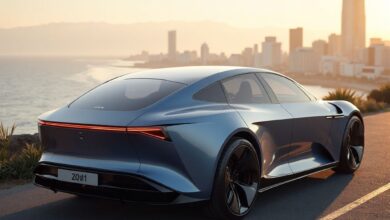
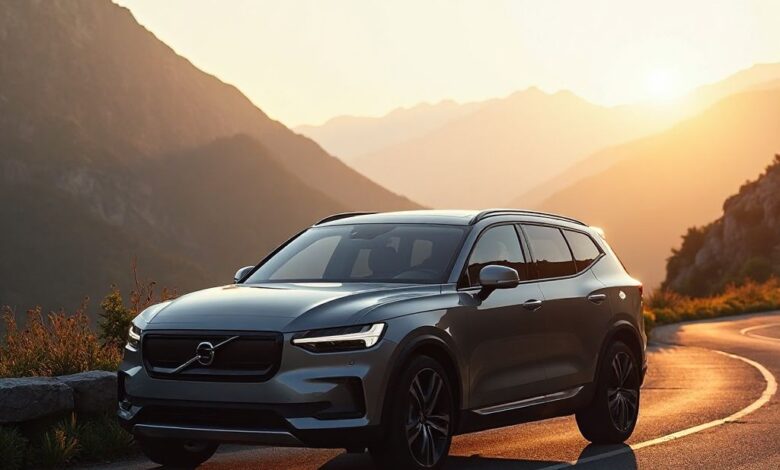
From the moment you lay eyes on the Polestar 3, its intentions are clear. This isn’t a softly sculpted crossover; it’s a sleek, athletic, and undeniably handsome SUV that manages to be both elegant and imposing. Polestar’s signature minimalist design language is evident throughout, characterized by sharp lines, flush door handles, and a sense of aerodynamic efficiency. The ‘SmartZone’ front fascia, replacing a traditional grille, houses an array of sensors and cameras, maintaining the brand’s clean aesthetic while hinting at its technological prowess. The low roofline, steeply raked rear window, and pronounced haunches give it a coupé-like profile, a common theme in luxury performance SUVs, but executed here with a unique Scandinavian flair. Measuring nearly 193 inches long, it has a significant road presence, yet avoids the visual bulk often associated with large SUVs. The standard 21-inch wheels (with optional 22-inchers) perfectly fill the arches, contributing to its planted, ready-to-pounce stance. It’s a design that will undoubtedly turn heads, striking a fine balance between understated luxury and assertive sportiness.
Performance: Electrifying Power and Composed Dynamics
Underneath that striking exterior lies a powertrain designed for exhilaration. The Polestar 3 launches exclusively with a dual-motor, all-wheel-drive configuration. The standard Long Range Dual Motor variant delivers a robust 489 horsepower and 620 lb-ft of torque, propelling this substantial SUV from 0 to 60 mph in a brisk 4.9 seconds. Opt for the optional Performance Pack, and those figures jump to a staggering 517 horsepower and 671 lb-ft of torque, shaving the 0-60 mph sprint down to just 4.6 seconds. These aren’t just impressive numbers; they translate into instantaneous, effortless acceleration that makes merging onto highways or overtaking a joy. More than just straight-line speed, the Polestar 3 is engineered for dynamic driving. It features a sophisticated adaptive air suspension system with active dampers, allowing the driver to switch between comfort-oriented cruising and a firmer, more engaging sport mode. Torque vectoring via a dual-clutch system on the rear axle further enhances agility and grip, particularly when cornering. While it’s a heavy vehicle, weighing in around 5,600 pounds, the low center of gravity afforded by the battery pack and the finely tuned chassis work together to deliver a surprisingly composed and engaging driving experience, more akin to a sports sedan than a traditional SUV. It’s a compelling blend of raw power and refined handling.
Interior: A Sanctuary of Sustainable Luxury and Technology
Step inside the Polestar 3, and you’re greeted by an interior that exemplifies modern Scandinavian luxury. The cabin is spacious, airy, and meticulously crafted, utilizing sustainable materials like bio-attributed MicroTech, animal welfare-certified wool, and traceable leather. The design is clean and uncluttered, dominated by a large, portrait-oriented 14.5-inch central touchscreen running Google’s Android Automotive OS. This system is intuitive, responsive, and integrates seamlessly with Google services like Maps and Assistant, along with over-the-air (OTA) updates to keep it fresh. A smaller 9-inch digital driver display provides essential information. Physical buttons are minimal, which might take some getting used to for traditionalists, but the execution is logical. Seating is exceptionally comfortable, even on long journeys, with ample head and legroom for four adults, though a fifth will find the rear middle seat less accommodating. Cargo space is generous, with 17.1 cubic feet behind the rear seats, expanding to 49.8 cubic feet with them folded, plus a small “frunk” for charging cables. The panoramic glass roof, standard on all models, floods the cabin with natural light, enhancing the sense of spaciousness. Safety, as expected from a Volvo-derived brand, is paramount, with a comprehensive suite of advanced driver-assistance systems (ADAS) including the optional LiDAR system from Luminar for enhanced autonomous driving capabilities in the future.
Range, Charging, and Costs: Practicality Meets Premium Pricing
Powering the Polestar 3 is a large 111 kWh battery pack (107 kWh usable), providing an estimated EPA range of up to 300 miles for the Long Range Dual Motor model. While not class-leading against some competitors, it’s a highly respectable figure that will satisfy most drivers for daily commutes and longer road trips. When it comes to charging, the Polestar 3 supports DC fast charging at up to 250 kW, allowing for a 10-80% charge in approximately 30 minutes under ideal conditions. AC charging at home typically happens at 11 kW, meaning a full charge overnight. As a premium EV, the Polestar 3 comes with a premium price tag. Starting around $73,400 (after destination), it positions itself squarely against luxury rivals. The Performance Pack adds another $6,000, and fully optioned models can approach the $90,000 mark. While this is a significant investment, the standard equipment list is extensive, including the panoramic roof, adaptive air suspension, 21-inch wheels, and comprehensive safety features. Running costs will be lower than a comparable gasoline SUV, thanks to cheaper electricity and reduced maintenance, but buyers should factor in the initial purchase price and potential insurance premiums.
Value for Money: A Strong Contender in a Pricey Segment
Assessing the Polestar 3’s value for money requires looking beyond the sticker price. What you’re getting is a beautifully designed, powerfully performing, technologically advanced, and sustainably built electric SUV with a strong emphasis on safety. Compared to rivals like the BMW iX, Mercedes-Benz EQE SUV, or Audi Q8 e-tron, the Polestar 3 offers a compelling package, often with more standard features for a comparable or even slightly lower price. The brand’s commitment to Google’s Android Automotive OS provides a slick, integrated user experience that surpasses many competitors’ proprietary systems. The long-term ownership proposition is also strong, with Polestar’s reputation for reliability and the promise of OTA updates keeping the vehicle current. For buyers seeking a genuinely premium EV SUV that stands out from the crowd without resorting to overt ostentation, the Polestar 3 presents a very strong value proposition, even at its elevated price point.
Expert Analysis: Beyond the Spec Sheet
- The “Volvo-ness” Paradox: While Polestar strives for independence, the Polestar 3 undeniably benefits from Volvo’s engineering DNA, particularly in safety and structural integrity. Yet, it manages to shed the “safe and sensible” stereotype for a more dynamic, performance-oriented identity. This duality is its secret weapon – offering Volvo’s underlying reliability and safety tech wrapped in a far more exciting package that appeals to a different demographic. It’s a brilliant tightrope walk that few brands manage successfully.
- Software-Defined Future: Polestar’s deep embrace of Google’s Android Automotive OS from day one, coupled with the optional NVIDIA Drive platform for future autonomous capabilities (especially with LiDAR), positions the Polestar 3 as a truly software-defined vehicle. This isn’t just about infotainment; it’s about a future where features and performance can be enhanced and even monetized via OTA updates, offering a long-term value proposition that many legacy automakers are still struggling to implement effectively.
- Bridging the Gap: The Polestar 3 exists in a fascinating space between the established luxury brands (BMW, Mercedes, Audi) and the EV disruptors (Tesla, Rivian). It offers the design sophistication and build quality of the former, with the innovative EV platform and software focus of the latter. This allows it to appeal to both traditional luxury buyers transitioning to EV and tech-savvy early adopters looking for something beyond a Tesla. It’s a smart strategic play to capture a broad swathe of the premium EV market.
- Sustainability as a Core Differentiator: Polestar’s commitment to traceable materials and transparent sustainability reporting isn’t just marketing fluff; it’s a genuine effort that resonates deeply with a growing segment of luxury buyers. While BMW and Mercedes are also making strides, Polestar’s relative youth and singular focus on EVs allow it to bake sustainability into its brand identity from the ground up, giving it an edge with environmentally conscious consumers.
Brand Comparisons: How the Polestar 3 Stacks Up
The Polestar 3 enters a fiercely competitive arena. Its most direct rivals include the BMW iX, which offers similar levels of luxury, performance, and advanced technology, albeit with a more polarizing design. The Mercedes-Benz EQE SUV provides a plush, tech-laden cabin and a supremely comfortable ride, while the Audi Q8 e-tron (formerly e-tron) counters with traditional Audi quality and refined driving dynamics. From the American market, the Tesla Model X offers impressive acceleration and unique features like Falcon Wing doors, but its interior quality and ride comfort can be inconsistent. The Rivian R1S is a more rugged, adventure-focused SUV with incredible off-road capability, appealing to a different niche. Even the upcoming Porsche Macan EV will be a formidable competitor, though likely at an even higher price point. The Polestar 3 carves its niche by blending Scandinavian design elegance, strong performance, cutting-edge Google-powered tech, and a distinct focus on sustainability, often at a more accessible price than some European rivals, making it a truly compelling alternative.
Pros and Cons
- Pros:
- Stunning, unique Scandinavian design
- Strong performance and engaging driving dynamics
- Luxurious, sustainably-sourced interior materials
- Intuitive Google Android Automotive OS infotainment
- Advanced safety features, including optional LiDAR
- Respectable electric range and fast charging capabilities
- Excellent build quality and refinement
- Cons:
- Premium price point may be a barrier for some
- Rear middle seat comfort is limited for long journeys
- Minimal physical buttons might not appeal to all users
- Cargo space, while good, isn’t class-leading for its size
- Brand recognition still building compared to established luxury marques
Final Verdict: A Star is Born in the SUV Segment
The Polestar 3 isn’t just another electric SUV; it’s a meticulously crafted statement of intent. It successfully blends the performance aspirations of its brand with the practicality and luxury demanded by the premium SUV market. With its striking design, exhilarating performance, sophisticated interior, and intelligent technology, it presents a genuinely compelling alternative to the established players and even the EV disruptors. It’s a vehicle that feels both futuristic and grounded, offering an experience that is at once refined and exciting. While its premium price tag places it firmly in the luxury segment, the value it delivers in terms of design, engineering, and standard features is undeniable.
Should you buy it? If you’re in the market for a high-end electric SUV that prioritizes design, performance, and cutting-edge tech, and you appreciate a brand that dares to be different while retaining a core of Volvo-derived safety and quality, then the Polestar 3 should absolutely be at the top of your test-drive list. It’s a vehicle that doesn’t just meet expectations; it raises them. Prepare to be impressed. The electric SUV arena just got a whole lot more interesting.