

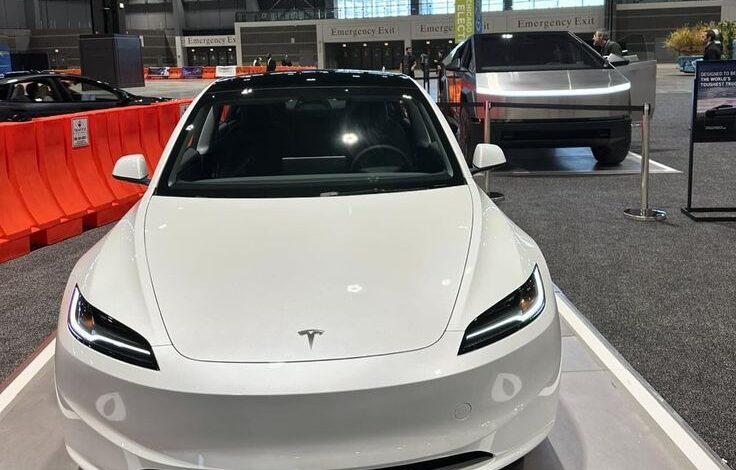
Electric vehicles (EVs) are becoming more popular every year. They are better for the environment, cheaper to fuel, and often come with the latest technology. But buying an EV can still be expensive. That’s where EV tax credits come in. These credits can save you a lot of money when you buy a new electric car in 2025. Let’s break it down in simple terms.
What Are EV Tax Credits?
EV tax credits are incentives from the government to encourage people to buy electric vehicles. Instead of reducing your car’s price directly, they reduce the amount of tax you owe. For example, if you owe $5,000 in taxes and get a $7,500 EV tax credit, your taxes drop to zero. In some cases, leftover credits may roll over to the next year, depending on your situation.
The main goal is to make EVs more affordable and reduce pollution from gas-powered cars.
How Much Can You Save in 2025?
The exact savings depend on the EV you choose and your income. In 2025, the federal EV tax credit in the U.S. can be up to $7,500 for new electric cars.
Key points to know:
- The credit only applies to new EVs, not used ones.
- Some EVs may qualify for a smaller credit if their battery size is smaller or if the car is made outside certain countries.
- Certain EV manufacturers may reach a sales limit, which can reduce or remove the credit for their vehicles.
Which EVs Qualify?
Not all EVs are eligible. Generally, most new electric cars from major brands like Tesla, Chevrolet, Ford, and Hyundai meet the criteria. Popular 2025 models that may qualify include:
Examples:
- Tesla Model 3 or Model Y
- Chevrolet Bolt EV
- Ford Mustang Mach-E
- Hyundai Ioniq 5
To make sure a car qualifies, check the IRS website or your dealer before buying.
Benefits of EV Tax Credits
Why do these credits matter? Here’s why:
- Lower upfront cost – The credit reduces how much you pay in taxes, making the car more affordable.
- Encourages clean energy – Buying EVs reduces pollution and gas use.
- Supports new technology – EVs often come with advanced safety and entertainment features.
- Long-term savings – EVs are cheaper to charge than fueling gas cars, and maintenance is usually lower.
Things to Keep in Mind Before Buying
Before choosing an EV in 2025, consider these tips:
- Check eligibility: Not all EVs get the full credit.
- Look at your taxes: If you don’t owe enough in taxes, you might not use the full credit.
- Think about charging: Do you have access to home or public chargers?
- Compare models: Some EVs have better range, features, or prices.
Comparing EVs for 2025 Buyers
Here’s a quick comparison of popular EVs and how they stand out:
This helps buyers see which EV matches their needs, whether they want speed, style, or budget-friendly options.
Why This Matters for 2025
EV tax credits make electric cars more accessible. They help you save money, reduce pollution, and support the growing EV market. With new models coming every year, taking advantage of credits can make a big difference in your budget.
Final Thoughts
EV tax credits are one of the smartest ways to save money when buying a new electric car. If you plan to get an EV in 2025, check the eligibility rules, explore different models, and see how much you could save. Even a few thousand dollars in tax credits can make switching to electric much easier.
Buying an EV isn’t just about saving money—it’s also a step toward cleaner transportation and a greener future. Stay updated on tax rules and new EVs so you can make the best choice for your needs.
Quick Tip: Always ask your dealer if the EV qualifies for the 2025 tax credit before signing any papers. That simple step could save you thousands!


