The Silent Revolution: How Electric Motorcycles Are Disrupting Urban Transportation Globally
Forget everything you thought you knew about city commutes. Picture this: a world where the roar of internal combustion engines is replaced by a near-silent hum, where parking is a breeze, and your daily travel costs plummet. This isn’t a futuristic fantasy; it’s the rapidly unfolding reality brought to us by electric motorcycles, which are not just an alternative but a formidable disruptor reshaping urban transportation across the globe. In fact, global sales of electric two-wheelers are projected to exceed 40 million units annually by 2027 – a testament to their growing, undeniable influence.
Why the Urban Landscape is Electrifying on Two Wheels
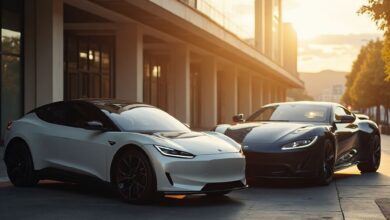
For decades, urban transportation has been a complex dance between convenience, cost, and environmental impact. Car buyers and enthusiasts today are increasingly conscious of these factors, leading to a surge in demand for sustainable and efficient mobility solutions. While electric cars like the Tesla Model 3 or Ford Mustang Mach-E have grabbed headlines, the silent revolution brewing on two wheels offers a uniquely potent answer to the challenges of city living.
Urban centers are choked by congestion, polluted by emissions, and plagued by parking scarcity. Fuel prices fluctuate wildly, and the sheer cost of owning and operating a traditional car in a metropolis can be astronomical. This is precisely where electric motorcycles, scooters, and mopeds step in, offering agility, zero tailpipe emissions, minimal running costs, and a footprint that makes navigating crowded streets and finding a spot infinitely easier. They represent a paradigm shift, not just in how we move, but in how we experience our cities, promising cleaner air, quieter streets, and more efficient commutes for everyone.
The Electrifying Mechanics: What Makes Them Tick
Performance That Surprises: Instant Torque, Effortless Speed
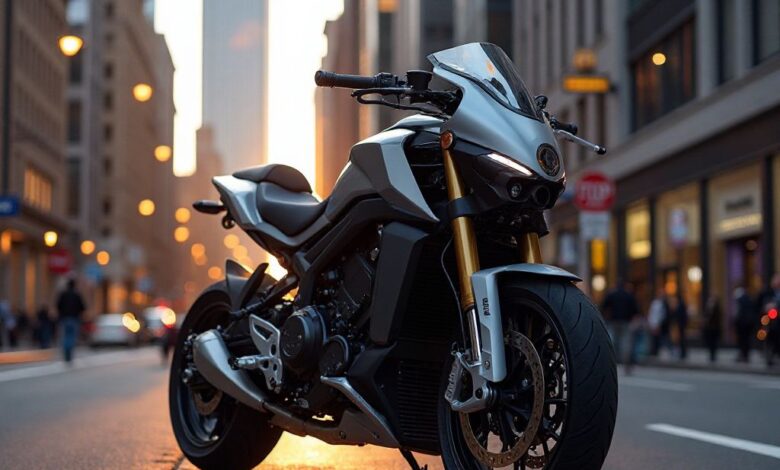
One of the most compelling attributes of electric motorcycles is their performance, especially in an urban setting. Unlike their gasoline counterparts, electric motors deliver 100% of their torque from a standstill. This translates to exhilarating, instant acceleration that makes darting through city traffic or merging onto a busy street incredibly responsive and safe. Models like the Zero SR/F or Energica Experia offer performance that rivals many sportbikes, with 0-60 mph times often under 4 seconds. Even more utilitarian urban models from brands like NIU and Super Soco provide more than enough zip to keep up with city traffic and easily outpace cars from a red light.
Range Anxiety? Not for the Urban Commuter
While “range anxiety” is a common concern with any EV, for electric motorcycles designed for urban use, it’s increasingly a non-issue. Most electric motorcycles and scooters offer a real-world range of 50 to 150 miles on a single charge, which is more than sufficient for the average daily urban commute. High-performance models, such as the LiveWire S2 Del Mar, push this even further, offering city ranges well over 100 miles. Battery technology, akin to the advancements seen in electric cars from the likes of Rivian and Lucid, is constantly improving, increasing energy density and efficiency, making longer urban hauls perfectly feasible without needing a mid-day top-up.
Charging Up: Simplicity and Growing Infrastructure
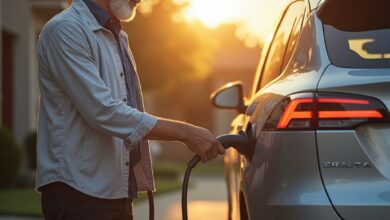
Charging an electric motorcycle is remarkably straightforward. Most owners will primarily charge at home using a standard 120V (Level 1) outlet, which is perfect for overnight charging. For faster top-ups, a 240V (Level 2) charger can fully replenish a battery in just a few hours. Many manufacturers, including BMW with their futuristic CE 04 scooter, are also integrating fast-charging capabilities, allowing for significant range additions in under an hour at public DC fast chargers (CCS, Type 2). The rise of swappable battery systems, particularly popular with scooter brands like Gogoro in Asian markets, further eliminates charging downtime, allowing riders to simply swap out a depleted battery for a fully charged one in seconds.
Costs That Make Sense: Initial Investment vs. Long-Term Savings
The upfront purchase price of an electric motorcycle can sometimes be higher than a comparable gasoline model, much like the initial investment for a Hyundai Ioniq 5 versus a Toyota Camry. However, this initial cost is quickly offset by significant long-term savings. Electricity is far cheaper per mile than gasoline, and electric powertrains have drastically fewer moving parts, leading to minimal maintenance requirements – no oil changes, spark plugs, or complex engine tune-ups. Many governments also offer attractive incentives, tax credits, and rebates for electric vehicle purchases, further reducing the effective price tag and making them an increasingly financially shrewd choice for urbanites.
Expert Analysis: Beyond the Specs
Having spent a decade immersed in the automotive world, I’ve witnessed firsthand the subtle shifts and seismic changes. Electric motorcycles, while seemingly niche, are at the forefront of several critical trends:
- The “Last-Mile” Revolution and Fleet Adoption: One of the most significant, yet often overlooked, drivers of electric motorcycle adoption is the explosion of last-mile delivery services. Companies are rapidly electrifying their fleets with nimble, cost-effective electric scooters and motorcycles. This commercial adoption not only boosts sales but also normalizes the presence of these vehicles in urban environments, making them a common sight and accelerating infrastructure development.
- Urban Planning and Regulatory Evolution: Cities globally are beginning to adapt their infrastructure and regulations to embrace electric two-wheelers. We’re seeing dedicated EV parking zones, preferential access in certain areas, and even discussions around congestion charges that electric vehicles might be exempt from. This forward-thinking urban planning, inspired by cities like Amsterdam and Copenhagen, directly supports and accelerates the shift away from car-centric mobility.
- The “Cool Factor” and Design Renaissance: Early electric motorcycles sometimes struggled with aesthetics, but that’s rapidly changing. Brands are investing heavily in design, creating sleek, futuristic, and desirable machines. The BMW CE 04 is a prime example, looking like a concept vehicle brought to life. This focus on design, performance, and user experience is crucial for shedding the “eco-nerd” stereotype and attracting a broader demographic, much like how Porsche’s Taycan redefined electric luxury.
- Battery Tech as the True Game Changer: While motor efficiency is important, it’s battery technology that truly holds the key to the future. Advancements in solid-state batteries, increased energy density, and faster charging chemistries are not just incremental improvements; they are foundational shifts that will unlock significantly longer ranges, lighter vehicles, and even more competitive pricing, making electric motorcycles viable for an even wider array of uses.
- A Direct Threat to Small Urban Cars: For many urban dwellers, a compact car like a Volkswagen Golf or a Chevrolet Bolt serves primarily as a commuter vehicle. Electric motorcycles and scooters, with their superior agility, lower operating costs, and easier parking, are increasingly presenting a compelling alternative, especially in densely packed cities. They offer a level of convenience and efficiency that even the smallest electric car struggles to match, potentially siphoning off a significant segment of the urban car market.
Brands Leading the Charge
The electric motorcycle landscape is vibrant and diverse, with both established players and agile startups making significant strides. Harley-Davidson’s LiveWire sub-brand, with models like the LiveWire One and S2 Del Mar, brings iconic styling and performance to the electric realm. Zero Motorcycles has long been a pioneer, offering a wide range of electric motorcycles from streetfighters to dual-sports. European brands like Energica, often dubbed the “Italian Tesla of motorcycles,” deliver high-performance electric superbikes. For urban commuting, Asian brands like NIU and Super Soco dominate the electric scooter and moped segments, offering stylish, affordable, and highly practical solutions. Even traditional automotive giants like BMW are entering the fray with innovative designs like the CE 04 electric scooter, showcasing their commitment to electric two-wheeled mobility.
The Ride Ahead: Pros and Cons
Pros:
- Zero Emissions: Contributes to cleaner urban air and reduced carbon footprint.
- Lower Running Costs: Significantly cheaper “fuel” (electricity) and minimal maintenance.
- Instant Torque: Quick acceleration for agile city navigation and improved safety.
- Reduced Noise Pollution: Quieter streets for a more peaceful urban environment.
- Exceptional Agility: Easier to navigate traffic and find parking in congested areas.
- Government Incentives: Often eligible for tax credits, rebates, and other perks.
Cons:
- Higher Initial Purchase Price: Can be more expensive upfront than comparable ICE models.
- Range Limitations: While improving, still less than gasoline bikes for very long tours.
- Charging Infrastructure: Public charging networks are still developing, though home charging is easy.
- Weather Dependency: Exposure to elements can be a drawback for some riders.
- Perception Barriers: Overcoming traditional biker culture and range anxiety myths.
Final Verdict: The Future is Two-Wheeled and Electric
Electric motorcycles are far more than just a niche product; they are a pivotal force in the global movement towards sustainable and efficient urban transportation. Their combination of environmental benefits, cost savings, exhilarating performance, and unparalleled urban agility makes them an increasingly attractive proposition for city dwellers worldwide. They are not merely disrupting the market; they are redefining what urban mobility can and should be.
For first-time buyers seeking an eco-friendly, cost-effective, and thrilling way to navigate city life, an electric motorcycle or scooter is an absolute must-consider. Experienced car owners looking to reduce their daily commute costs, beat traffic, and embrace a greener lifestyle will find them a revelation. My recommendation is clear: if you live in an urban or suburban environment and are seeking to revolutionize your daily commute, explore the electric two-wheeled revolution. Visit your local dealership, schedule a test ride, and experience the silent, powerful shift for yourself. The future of urban mobility is here, and it’s electrifyingly good.