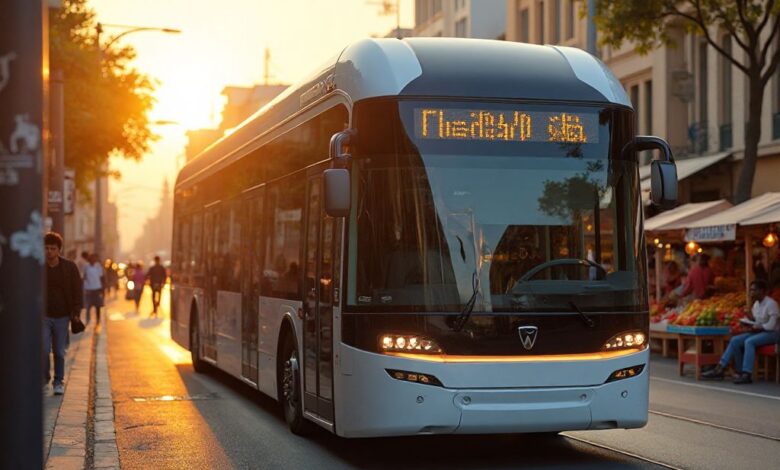
The rumble of a diesel engine, the plume of black smoke, the incessant noise – for decades, these have been the defining characteristics of public transportation in many African cities. But what if I told you that this era is rapidly drawing to a close, not with a whimper, but with the silent, powerful hum of electric motors? Africa, often perceived as a late adopter, is poised to leapfrog traditional fossil-fuel public transport, embracing electric buses as a cornerstone of its urban future. This isn’t just a green dream; it’s a tangible, rapidly unfolding reality set to redefine urban mobility for millions.
Background: Why This Matters to Every Car Enthusiast and Buyer
You might be wondering, “Why should I, a car enthusiast or a prospective EV buyer, care about electric buses in Africa?” The answer is multifaceted and deeply intertwined with the broader automotive landscape. The electric vehicle revolution isn’t confined to sleek sedans from Tesla or powerful trucks from Rivian. It’s a fundamental shift in how we power movement, and public transport is a crucial proving ground. The challenges and innovations happening with electric buses in Africa – from battery longevity in extreme climates to the development of robust charging infrastructure – directly inform and accelerate the advancements we see in consumer EVs. It demonstrates the scalability and resilience of electric powertrains beyond personal luxury, proving that the technology is robust enough for high-demand, high-mileage applications. Furthermore, the push for cleaner air and reduced fuel dependency in African cities reflects global trends that will inevitably impact policy, infrastructure, and even the resale value of internal combustion engine (ICE) vehicles worldwide. This isn’t just a niche story; it’s a vital chapter in the global electrification narrative.
Main Content: Africa’s Electric Bus Revolution in Detail
The transformation is happening across the continent, driven by a confluence of environmental urgency, economic pragmatism, and technological readiness. From bustling megacities to rapidly expanding urban centers, electric buses are emerging as a viable, sustainable alternative.
The Rise of Electric Fleets: What’s Happening?
The shift is evident in several key regions. In Kenya, companies like BasiGo are at the forefront, not just importing electric buses but creating an entire ecosystem. They’ve deployed over two dozen electric buses in Nairobi, operating on a “Pay-As-You-Go” model that mitigates the high upfront cost for local operators. This innovative financing structure covers the battery and charging, making electric buses financially accessible. Similarly, South Africa has seen trials and deployments in cities like Cape Town and Johannesburg, with entities like Metrobus actively testing electric models for routes that traverse diverse urban landscapes. Egypt is making significant strides, not only deploying electric buses but also aiming for localized production, leveraging its industrial capacity. Rwanda, often a pioneer in green initiatives, is not just electrifying its urban bus routes but also its ubiquitous moto-taxis, showing a holistic approach to sustainable mobility.
Why It Matters: Beyond the Tailpipe
The impact of this transition extends far beyond simply eliminating tailpipe emissions. It’s a game-changer for public health, reducing respiratory illnesses caused by particulate matter and NOx emissions. Economically, it’s a powerful statement of energy independence. Many African nations are heavily reliant on imported fossil fuels, making them vulnerable to volatile global oil prices. Electric buses, especially when powered by increasingly abundant and affordable renewable energy sources like solar, offer a pathway to greater energy security and significant operational cost savings for transport operators. This saved capital can then be reinvested, leading to better service or more affordable fares. Furthermore, the development of local charging infrastructure, maintenance hubs, and even assembly plants creates new jobs and fosters technical skills, contributing to broader economic development and industrialization.
Specs, Range, Charging, and Costs: The Practicalities of Electrification
-
Specifications:
African electric buses are typically designed for high passenger capacity and durability. Models like those from Chinese giants BYD and Yutong, which have a growing presence on the continent, often feature robust electric drivetrains with power outputs ranging from 150 kW to 350 kW, capable of handling heavy loads and varied urban terrain. Battery capacities commonly fall between 200 kWh and 400 kWh, utilizing advanced lithium-ion chemistries similar to those found in high-end passenger EVs from brands like Hyundai or Kia.
-
Range:
For urban public transport, “range anxiety” is less of a concern than for personal vehicles. Electric buses typically operate on fixed routes. A full charge generally provides a range of 200-350 kilometers, which is sufficient for a full day’s operation on most urban routes. Buses can then be charged overnight at depots.
-
Charging:
Charging infrastructure is critical. Most operations rely on depot charging, utilizing AC chargers (e.g., 22 kW to 60 kW) for overnight replenishment, or DC fast chargers (e.g., 60 kW to 150 kW) for quicker top-ups during layovers or between shifts. The challenge often lies in the reliability of grid electricity. To counter this, many projects are integrating solar power arrays at depots, providing a cleaner, more resilient, and often cheaper source of energy, mirroring the decentralization of power seen in remote communities.
-
Costs:
The upfront purchase price of an electric bus is generally 1.5 to 2 times higher than a comparable diesel bus. This initial investment is the primary hurdle. However, the Total Cost of Ownership (TCO) tells a different story. Electric buses boast significantly lower “fuel” costs (electricity is cheaper than diesel, especially with solar integration) and drastically reduced maintenance expenses due to fewer moving parts in the electric powertrain. Over their lifespan, electric buses often prove to be more economical, a crucial factor for operators.
What Comes Next? Scaling Up and Localizing
The immediate future involves scaling up existing pilot projects into full-fledged fleet transitions. This requires significant investment in charging infrastructure, grid upgrades, and the training of technical personnel for maintenance and operation. Policy support, including subsidies, tax incentives, and clear regulatory frameworks, will be vital to accelerate adoption. Furthermore, there’s a strong drive towards localization – not just assembly, but also manufacturing of components, fostering a truly African electric vehicle industry. This could see local companies developing battery packs optimized for African conditions or even designing bespoke bus bodies.
Expert Analysis: Insider Insights You Won’t Find Everywhere
-
The “Leapfrog” Effect in Action: Africa isn’t just adopting EV technology; it’s demonstrating a powerful “leapfrog” phenomenon. Much like how mobile phones bypassed landlines, African cities are skipping decades of diesel bus dominance and moving directly to electric. This avoids sunk costs in fossil-fuel infrastructure and allows for the rapid deployment of modern, sustainable solutions. It’s a blueprint for other emerging markets.
-
Decentralized Energy & Grid Resilience: The integration of solar power at bus depots isn’t just about ‘green’ energy; it’s a strategic move to build resilience against often unstable national grids. These microgrids ensure operational continuity, reduce reliance on grid power, and provide a model for energy independence that could extend beyond transport.
-
Beyond the Bus: The Ecosystem Effect: The deployment of electric buses catalyzes a broader EV ecosystem. It drives demand for charging infrastructure (which can then serve other EVs), creates skilled jobs in battery management and electric motor repair, and encourages local innovation in related technologies. It’s a foundational step towards widespread electrification.
-
The “Pay-As-You-Go” Innovation: Models like BasiGo’s “Pay-As-You-Go” for battery and charging services are revolutionary. They address the single biggest barrier to EV adoption – the high upfront cost – by separating the battery from the vehicle purchase. This financial innovation, perfected in Africa, could easily be adapted for consumer EVs globally, making them more accessible.
-
Data as the New Fuel: The connected nature of electric buses generates vast amounts of operational data – route efficiency, battery health, charging patterns. This data is invaluable for optimizing routes, predictive maintenance, and informing future infrastructure planning. It’s turning public transport into a smart, data-driven system, a trend that even premium brands like Porsche and Audi are leveraging for their high-performance EVs.
Brand Mentions and Comparisons
While the focus is on public transport, the underlying technology often draws parallels with consumer brands. The high-capacity battery packs in an electric bus, for instance, utilize similar lithium-ion cell technologies and sophisticated battery management systems (BMS) found in a Tesla Model S or a Ford F-150 Lightning. Major global bus manufacturers like China’s BYD and Yutong are prominent, offering robust and proven electric bus platforms that are increasingly seen in African cities. These companies often partner with local integrators or operators, bringing their expertise in electric powertrains and battery technology. European giants like Volvo and Mercedes-Benz also produce electric bus models, and while their initial penetration in these markets might be through pilot projects, their long-term commercial vehicle strategies include significant electrification efforts for emerging economies. The charging infrastructure is often provided by global players like Siemens or ABB, whose technology powers everything from public charging stations for your Hyundai Ioniq 5 to heavy-duty industrial applications. The innovation isn’t always about a specific car brand, but the underlying technological principles that span the entire electric mobility spectrum.
Pros and Cons of Electric Buses in Africa
-
Pros:
- Zero Emissions: Significantly improves urban air quality and public health.
- Lower Operating Costs: Reduced fuel (electricity cheaper than diesel) and maintenance expenses over the vehicle’s lifespan.
- Reduced Noise Pollution: Quieter operation contributes to more peaceful urban environments.
- Energy Security: Decreases reliance on imported fossil fuels, promoting energy independence.
- Job Creation: Fosters new skills and employment in charging infrastructure, maintenance, and potentially local manufacturing.
- Improved Passenger Experience: Smoother, quieter rides enhance comfort for commuters.
- Climate Change Mitigation: Contributes to national and global climate targets.
-
Cons:
- High Upfront Cost: Initial purchase price is significantly higher than diesel counterparts.
- Charging Infrastructure: Requires substantial investment in charging stations and grid upgrades.
- Grid Reliability: Inconsistent electricity supply in some regions can pose operational challenges.
- Battery Degradation: Extreme temperatures can impact battery life and performance, requiring robust thermal management.
- Maintenance Expertise: Requires specialized training for technicians to maintain electric powertrains and battery systems.
- Financing Challenges: Securing funding for the high initial investment can be difficult for operators.
Final Verdict: The Electrifying Road Ahead for Africa
The transition to electric buses in Africa is more than just an environmental initiative; it’s a profound socio-economic transformation. It promises cleaner air, quieter cities, economic empowerment, and a pathway to energy independence. While challenges remain – notably the upfront cost and the need for robust