Unplugging the Myth: The World of EV Charging is Closer Than You Think
Forget everything you thought you knew about “range anxiety.” In just the last five years, the global electric vehicle charging infrastructure has undergone a revolution so profound, it’s not just keeping pace with EV adoption — it’s often leading the charge. If you’ve been hesitant to make the leap to an electric car because you’re worried about finding a place to plug in, prepare to have your mind blown. Today, with the right tools and a little know-how, finding an EV charging station anywhere from the bustling streets of Tokyo to the serene fjords of Norway, or the sun-drenched highways of California, is not just possible, it’s often easier than finding a gas station in some remote areas.
The Electric Revolution: Why Charging Smarts Are Your New Roadmap
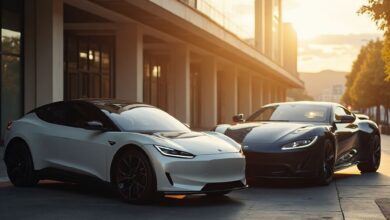
The automotive landscape is electrifying at an unprecedented pace. From the sleek lines of a Lucid Air to the rugged utility of a Rivian R1T, and the everyday practicality of a Hyundai Ioniq 5 or a Ford F-150 Lightning, EVs are no longer a niche product for early adopters. They are mainstream. With governments worldwide setting ambitious targets for emissions reduction and manufacturers like Mercedes-Benz, BMW, Audi, and Volkswagen pouring billions into their EV portfolios, the question isn’t *if* you’ll drive an EV, but *when*. For both seasoned enthusiasts eyeing their next performance EV and first-time buyers seeking eco-friendly transport, understanding the charging ecosystem is paramount. It’s the key to unlocking the full potential of your electric ride, ensuring seamless road trips, and making daily commutes utterly stress-free. No longer is charging a mystery; it’s a modern necessity, and mastering it means mastering your electric future.
Your Global Guide to Finding EV Charging Stations
Navigating the world of EV charging might seem daunting at first glance, but a robust suite of tools and networks makes it surprisingly simple. Whether you’re planning a cross-country adventure or just need a quick top-up in an unfamiliar city, here’s how to ensure you’re always powered up.
The Brains of the Operation: In-Car Navigation Systems
Modern EVs come equipped with sophisticated navigation systems that are often your first and best line of defense against a drained battery. Tesla, for instance, boasts an industry-leading integration of its Supercharger network directly into its navigation. Punch in a destination, and the car automatically plots charging stops, pre-conditions the battery for optimal charging speed, and provides real-time availability. Other manufacturers have followed suit. Ford’s BlueOval Charge Network, integrated into vehicles like the Mustang Mach-E and F-150 Lightning, offers seamless access to thousands of chargers. Similarly, Hyundai and Kia models, BMW’s i-series, Mercedes-Benz EQ vehicles, and Audi’s e-tron lineup often feature native navigation that can locate compatible charging stations, show their status, and even initiate payment through a linked account. This on-board intelligence is invaluable for spontaneous travel.
Your Digital Co-Pilot: Dedicated EV Charging Apps
This is where the real power lies for global charging. A handful of essential apps serve as universal translators for the diverse charging landscape:
-
PlugShare: Arguably the most comprehensive global charging map, PlugShare is indispensable. It’s community-driven, meaning users provide real-time check-ins, photos, and reviews, offering invaluable insights into charger reliability and user experience. You can filter by connector type (CCS, NACS, Type 2, CHAdeMO), power level (Level 2, DC Fast), network, and amenities. Crucially, it shows chargers from virtually every network, making it a true one-stop shop.
-
A Better Routeplanner (ABRP): While PlugShare focuses on location, ABRP excels at trip planning. Enter your EV model, starting point, destination, and desired arrival battery percentage, and ABRP calculates an optimized route with charging stops, factoring in elevation, temperature, and even your driving style. It supports a vast array of EV models, including Porsche Taycan, Chevrolet Bolt, and Volkswagen ID.4, providing realistic charging times and costs.
-
ChargePoint: One of the largest charging networks in North America and expanding globally, the ChargePoint app lets you find, activate, and pay for charging sessions on their extensive network. It provides real-time charger status and supports various payment methods.
-
Electrify America (North America): A major DC fast-charging network, particularly vital for non-Tesla EVs in the US. Their app is essential for finding their powerful stations, managing charging sessions, and taking advantage of subscription plans often bundled with new EV purchases (e.g., certain Volkswagen, Hyundai, and Kia models).
-
EVgo (North America): Another prominent DC fast-charging network, EVgo’s app allows you to locate stations, initiate charges, and manage your account. They focus heavily on urban and highway corridors.
-
Shell Recharge/NewMotion (Europe/Global): Shell has made significant strides in EV charging. Their app provides access to a vast network of chargers across Europe and beyond, often integrating multiple providers into a single platform for ease of use.
-
Other Regional Apps: Depending on your location, you might need specific apps like Enel X Way (Italy/Europe), Ionity (Europe – a joint venture by BMW, Mercedes-Benz, Ford, Hyundai, Audi, Porsche, Volkswagen), or specific utility company apps. Always check local recommendations.
Manufacturer-Specific Networks and Apps
Beyond the universal apps, some brands offer their own integrated ecosystems:
-
Tesla Supercharger Network: Renowned for its reliability and speed, the Supercharger network is a major draw for Tesla owners. While increasingly open to non-Tesla EVs in select regions, the native integration and “Plug & Charge” simplicity remain a benchmark. The Tesla app manages everything from charging status to payment.
-
Rivian Adventure Network: Rivian is building out its own network of fast chargers and Level 2 “Waypoints” strategically placed for outdoor adventurers, complementing their vehicles’ go-anywhere ethos. The Rivian app and in-car navigation seamlessly integrate these.
-
Porsche Charging Service/Mercedes me Charge: Premium brands like Porsche and Mercedes-Benz offer comprehensive charging services that aggregate access to thousands of chargers from various providers, often simplifying payment through a single account. The respective apps are your gateway to these premium services.
The Everyday Navigators: General Navigation Apps
Don’t overlook the apps you already use daily:
-
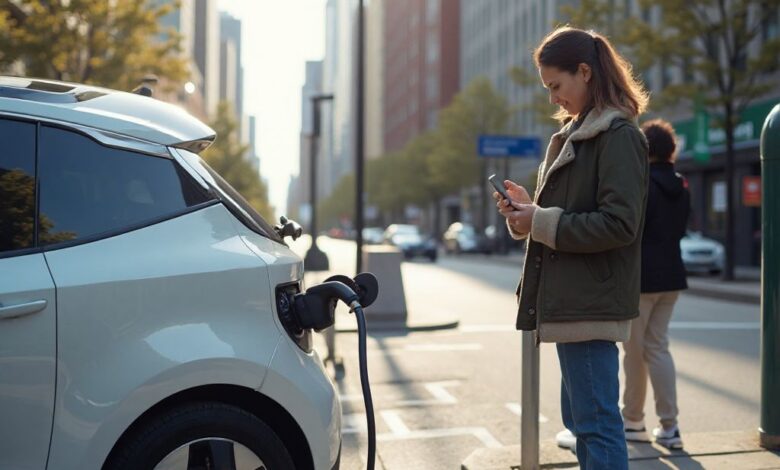
Google Maps: Has significantly improved its EV charging station search. You can search for “EV charging stations,” filter by connector type, and see real-time availability and speeds. It’s a great quick-check tool.
-
Apple Maps: Offers similar functionality to Google Maps, integrating charging station locations into its navigation interface.
-
Waze: While not as feature-rich for EV charging as others, Waze can show charging stations and often benefits from community-reported updates on traffic around charging hubs.
Destination and Workplace Charging
Often, the best charging station is at your destination. Many hotels, shopping centers, restaurants, and tourist attractions now offer Level 2 or even DC fast chargers as an amenity. Websites like PlugShare allow you to filter for these. Similarly, an increasing number of employers are installing charging stations, making workplace charging a convenient and cost-effective option for daily commuters.
Expert Analysis: Beyond the Map
As a veteran of the automotive world, I’ve seen the charging landscape evolve from a wild west to a sophisticated ecosystem. Here are a few insider insights that will elevate your EV charging game:
-
Redundancy is Your Friend: Never rely on just one app or network. Always have at least two or three charging apps installed (e.g., PlugShare, ABRP, and your primary network app like Electrify America or ChargePoint). Chargers can be offline, busy, or incompatible. A backup plan is crucial, especially on longer journeys.
-
Know Your Connectors and Speeds: The world primarily uses CCS (Combined Charging System) in North America and Europe, Type 2 (Mennekes) for AC charging globally, and CHAdeMO (mostly Japan and older Nissan Leaf models). Tesla’s NACS (North American Charging Standard) is rapidly becoming the dominant standard in North America. Understand what your EV uses and what speeds (Level 2 AC, DC Fast Charging) are appropriate for your needs. A 50 kW charger is fine for a lunch stop, but for a quick highway top-up, you’ll want 150 kW or higher.
-
The Rise of Charging Hubs: We’re moving beyond single chargers in a parking lot. Companies like Electrify America, Ionity, and even private developers are building dedicated “charging hubs” with multiple high-speed chargers, often with amenities like restrooms, shops, and even lounges. These hubs, often found along major highway corridors, are transforming the road trip experience.
-
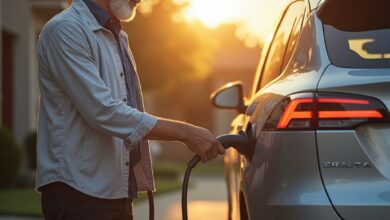
Embrace Plug & Charge: This technology, where you simply plug in and the charger automatically identifies your car and bills your account, is the future. Tesla pioneered it, and standards like ISO 15118 are bringing it to other networks. It eliminates the need for apps, RFID cards, or credit card swipes, making charging as seamless as fueling a gas car.
-
Destination Charging is Underrated: While DC fast charging gets all the headlines, don’t underestimate the power of Level 2 destination charging. Plugging in at your hotel overnight or at a shopping mall while you run errands can completely eliminate the need for dedicated charging stops during your travel day. It leverages “idle time” perfectly.
The Bright and the Bumpy Roads: Pros and Cons of the Current Charging Landscape
Pros:
-
Rapidly Expanding Network: Charging infrastructure is growing exponentially worldwide, making long-distance EV travel increasingly viable.
-
Diverse Tools and Apps: A wide array of apps and in-car systems provide comprehensive information, real-time status, and route planning.
-
Increased Charger Speeds: Next-generation DC fast chargers are significantly reducing charging times, nearing the convenience of a gas stop.
-
Convenience of Destination Charging: Charging while you sleep, work, or shop adds unparalleled convenience to EV ownership.
-
Environmental Benefits: Fewer emissions, quieter operation, and often lower running costs compared to gasoline vehicles.
Cons:
-
Network Fragmentation: Multiple charging networks often require separate accounts, apps, or RFID cards, leading to some user friction.
-
Varying Reliability: While improving, some chargers can be offline, broken, or experience software glitches, necessitating backup plans.
-
Connector Confusion (Temporary): Different connector types (CCS, NACS, Type 2, CHAdeMO) can be confusing for new users, though NACS standardization is simplifying this in North America.
-
Potential for Wait Times: In high-demand areas or during peak travel times, chargers can be busy, leading to short waits.
-
Pricing Inconsistencies: Charging costs can vary significantly between networks, locations, and time of day.
The Electric Horizon: Your Journey Starts Now
The days of EV range anxiety are, for all intents and purposes, over. What remains is a learning curve, a fascinating journey into a new way of powering our vehicles. With the incredible suite of tools at your disposal – from the sophisticated in-car navigation of your BMW i5 or Audi Q8 e-tron, to the indispensable global reach of PlugShare and the intelligent routing of ABRP – finding an EV charging station anywhere in the world is not just manageable, it’s an exciting part of the electric driving experience. Embrace these technologies, spend a little time familiarizing yourself with the apps, and you’ll discover a freedom and convenience that will fundamentally change how you view travel. So, go ahead, plan that road trip, explore that new city, and embark on your next adventure with confidence. The world is waiting, and it’s ready to be explored, electrically. The future of driving is here, and it’s time to plug in and experience it for yourself!