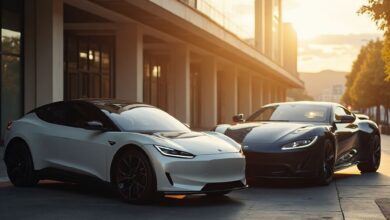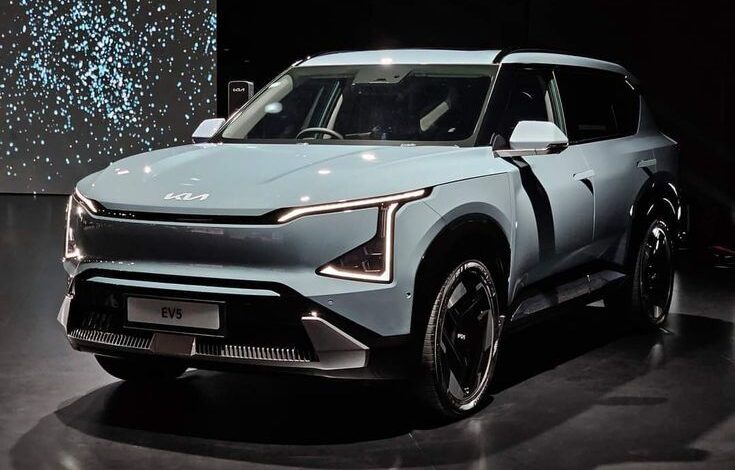
Picture this: You drive down the road, and every car you see is electric—quiet, clean, and powered by the sun or wind. No more trips to the gas station, no more tailpipe pollution. Is this vision of an all-electric world possible by the year 2040?
This is one of the most important questions of our time. Switching from gasoline to electric power is critical for fighting climate change, cleaning up the air in our cities, and making us less dependent on oil. Let’s break down the realistic timeline and look at the huge changes needed to make this happen.
The Ambitious Goal: 100% EV Sales
Right now, Electric Vehicles (EVs) are growing fast, making up a significant and growing percentage of new car sales globally. But replacing every gas car by 2040 is extremely tough. Here’s why the focus is often on new sales first.
Many major governments and automakers have set targets to end the sale of new gas cars between 2030 and 2040.
- Europe (EU): Plans for a 100% reduction in $\text{CO}_2$ emissions from new cars by 2035, which is essentially a ban on new gas and diesel sales.
- China: Aims for all new private vehicle sales to be zero-emission by 2035.
- The Global Pledge: Many automakers (like Ford and Mercedes-Benz) and nations have pledged to work toward ending new gas car sales by 2040 globally.
So, while the goal isn’t necessarily to get every gas car off the road by 2040, it is to stop selling them completely. If sales stop, the existing gas cars will slowly be retired over the next 15-20 years.
The Major Roadblocks to Mass Adoption
Getting to 100% new EV sales globally by 2040 means overcoming some huge, worldwide hurdles.
1. The Cost Challenge
Today, EVs are still generally more expensive to buy than similar gas cars. The main reason is the cost of the large battery. This high price is slowing down adoption, especially in developing countries where budgets are tighter. The key here is reaching “price parity”—when an EV costs the same as a gas car before any government help. Experts believe this will happen by the mid-2030s.
2. The Charging Network
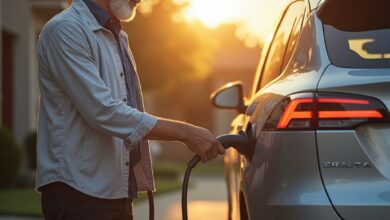
This is the big one. Most people charge at home, but we need a massive, reliable network of public charging stations for long trips and for people who live in apartments.
- Problem: Building this network requires huge investments and takes time.
- Need: Fast, easy-to-use chargers everywhere, and a strong plan for powering them without straining the electric grid.
3. Supply Chain for Batteries
If the world switches to electric cars, we will need enormous amounts of raw materials like lithium, nickel, and cobalt.
- Mining Concerns: Increasing mining quickly enough is difficult and brings up environmental and ethical questions.
- The Solution: EV companies are working on better battery recycling and new battery chemistries that use fewer rare metals.
4. The Global Divide
The switch to EVs is moving at different speeds around the world. Places like Norway, China, and certain US states are seeing very fast growth. But in many parts of the world, the high upfront cost, weak electricity grids, and low government support mean EV adoption is still very low. To hit a global 2040 target, these regions need huge support and investment.
Comparison: The EV vs. Gas Car Breakdown
Today, the pros and cons of an EV show why the switch is not just about saving the planet, but also about a better driving experience.
| Feature | Electric Car (EV) | Gas Car (ICE) |
| Purchase Price | Generally higher (for now) | Lower upfront cost |
| Running Costs | Very low (cheaper than gas, less maintenance) | High (expensive fuel, regular oil changes) |
| Refueling Time | 20–40 min for fast charge (public), hours (home) | 5 minutes |
| Environmental Impact | Zero tailpipe emissions (cleaner overall) | High $\text{CO}_2$ and local air pollution |
The data shows that while the upfront cost and refueling time are still a challenge, the long-term savings and environmental benefits of EVs are undeniable.
Why This Matters to You, the Buyer
The shift by 2040 is not just a date on a calendar; it affects your next car purchase.
- Resale Value: As the phase-out date gets closer, the demand for and value of gas cars will likely drop significantly.
- Better Technology is Coming: The intense competition to meet these 2040 goals means better batteries (longer range, faster charging) and more affordable models will be here sooner than you think.
Tips for Today
If you are thinking about buying a car in the next few years:
- Consider a Used EV: The growing used EV market makes electric cars much more affordable right now.
- Get a Home Charger: If you have a garage or driveway, installing a Level 2 home charger removes 90% of all “charging anxiety.”
- Be Patient: If a fully-electric car doesn’t fit your budget or lifestyle today, consider a plug-in hybrid (PHEV) as a bridge. This allows you to drive electric around town while still having a gas engine for long trips.
The Final Verdict
Can EVs completely replace gas cars by 2040?
For New Sales in Leading Markets: Yes, it is very likely. Bans on new gas car sales will push this across the finish line.
For Every Car on the Road Globally: No, probably not. Too many older gas cars will still be driving in regions that can’t transition as fast.
However, by 2040, the gas car will definitely be a dinosaur. The majority of new cars sold will be electric, and the world will look, sound, and smell much cleaner because of it. Keep watching the battery technology and the charging networks—they are the real keys to the future!