

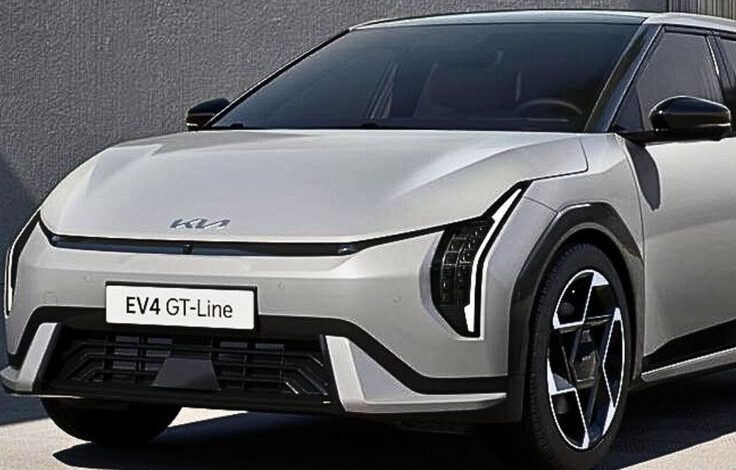
The electric car revolution is here! Every month, it seems a new, amazing Electric Vehicle (EV) hits the market with more range, more speed, and a cooler design. However, behind the glossy launch events, the companies making these cars—from giant legacy automakers to nimble startups—are facing some huge hurdles.
Why should you care? Because these challenges directly affect you, the buyer. They determine the final price of the car, how quickly new models arrive, and how easy it is to charge your vehicle. Let’s look at the 12 biggest speed bumps EV makers must overcome in 2025 to keep the electric dream on track.
Money and Materials: The Cost Hurdles
The first set of challenges are all about what it costs to build the car.
1. The High Price of Batteries
This is still the biggest problem. The battery pack is the single most expensive part of an EV. Even though battery costs are coming down, they still make the initial price of an electric car higher than a similar gas car. EV makers need to invent cheaper, safer, and lighter battery technology fast.
2. Sourcing Critical Raw Materials
EV batteries need special materials like lithium, cobalt, and nickel.
- The Problem: The supply of these materials is often controlled by a few countries, making the supply chain fragile. Prices can suddenly jump, which messes up car companies’ plans.
- The Solution: Companies are looking at battery recycling and trying to find new battery types that use less or none of these rare metals.
3. Factory Transformation Costs
It’s expensive to switch from building gas engines to electric motors and batteries. Existing car factories need massive, costly updates, and building new, specialized battery plants (Gigafactories) takes billions of dollars and many years.
Powering Up: Charging and Infrastructure
The second set of challenges focuses on making life easy for EV drivers.
4. The Charging Desert (Lack of Public Chargers)
While home charging is easy, long-distance travel and charging for people who live in apartments is tough. There simply aren’t enough public charging stations yet, especially outside of major cities. This leads to “Range Anxiety.”
5. Charger Reliability and Speed
It’s frustrating when you find a public charger that is broken, too slow, or has a confusing payment system. EV makers and charging companies must work together to make the charging experience as easy and reliable as pumping gas. This means more Ultra-Fast DC Chargers that work every time.
6. Strain on the Electric Grid
If everyone plugs in their EV when they get home from work (during “peak hours”), the local electric power grid can get overloaded. Companies must find smart solutions, like using software to manage charging overnight when the power demand is low.
The Consumer Puzzle: Winning Over Drivers
The third group of challenges is about convincing the average driver to make the switch.
7. Overcoming “Range Anxiety”
Even though many new EVs can drive 250–300 miles on a charge, people still worry about getting stranded. This fear is a major barrier to mass adoption, and it’s something EV companies must keep fighting with better battery efficiency and better in-car navigation tools.
8. The Talent and Repair Gap
When an EV needs service, most local mechanics don’t have the skills or equipment to fix it. Dealers and repair shops need to train thousands of new technicians to handle complex EV batteries and software. This is a huge, immediate need.
9. Lack of Affordable Models
While there are many luxury EVs, the market still needs a wide variety of affordable electric cars, especially small hatchbacks, affordable trucks, and minivans. High battery costs make it hard for companies to offer a low-priced EV that still delivers decent range.
Political and Competitive Headwinds
Finally, EV companies must navigate tough market forces and global politics.
10. Fierce Competition and Price Wars
New EV companies (like Tesla, Rivian) and old-school giants (like Ford, GM) are all battling for market share. This fierce competition often leads to sudden price cuts, which makes buyers nervous about the resale value of their new car.
11. Government Policy Changes
Incentives and tax credits from governments are a huge reason people buy EVs. If these incentives change or disappear suddenly, it can stop sales growth in its tracks. EV makers have to plan for an uncertain future in government support.
12. Trade Wars and Tariffs
Global political tension, especially between major markets like the U.S., Europe, and China, can lead to new import taxes (tariffs). These tariffs make it harder and more expensive for companies to sell their cars globally, slowing down the worldwide EV transition.
Why You Should Be Hopeful
This might seem like a lot of bad news, but for the average buyer, these challenges lead to better cars!
The need to solve the cost and supply chain issues means:
- Battery prices will fall.
- New, cheaper battery tech is coming.
- Charging networks will get better and more reliable due to huge investment.
Our advice is simple: Do your homework and stay patient. The industry is racing to fix these issues.
What to do before you buy:
- Check Local Charging: Don’t just rely on the manufacturer’s promises. Use an app to map out the chargers near your home and work.
- Look at Total Cost of Ownership: Remember that EVs save you money over time on gas and maintenance, which can balance out the higher purchase price.
- Wait for the Right Model: If the current affordable options don’t meet your range needs, wait six months. New models are coming out constantly, and price points are dropping quickly.
The future of EVs is bright, but getting there means solving these 12 tough problems first. And that intense effort is great news for the buyer!


