

Introduction
Electric vehicles (EVs) are quickly becoming a common sight on our roads. They offer a cleaner, often quieter, and sometimes more exciting way to drive. However, with new technology comes a lot of chatter, and not all of it is true! There are many myths and misunderstandings floating around about EVs that can stop people from considering them. It is time to clear the air! In this article, we’re going to bust 20 common myths about electric vehicles. Our goal is to give you the real facts, helping you understand what EVs are truly like, so you can make informed decisions about your future car choices.
Main Content: Busting the EV Myths
Let’s dive into the most common myths and uncover the truth.
Myth 1: EVs are too expensive for most people.
Truth: While some EVs are pricey, many affordable options are now available, especially when you factor in government incentives (tax credits, rebates) and lower running costs. The market is growing quickly with more budget-friendly models.
Myth 2: EV batteries do not last long and are very costly to replace.
Truth: EV batteries are designed to last the life of the car, often 8-10 years or 100,000-150,000 miles, and come with long warranties. Battery technology is improving rapidly, and replacement costs are falling.
Myth 3: EVs have terrible range and will leave you stranded.
Truth: Most new EVs offer 200-300+ miles of range on a single charge, which is more than enough for daily driving. “Range anxiety” is much less of an issue now, as charging networks are expanding.
Myth 4: There are not enough charging stations.
Truth: The charging network is growing rapidly. There are hundreds of thousands of public charging points, and most EV owners charge at home overnight, so they start each day with a “full tank.”
Myth 5: Charging an EV takes too long.
Truth: While Level 2 home charging takes several hours (often overnight), fast DC public chargers can add hundreds of miles of range in 20-30 minutes, which is usually enough for a quick stop during a long trip.
Myth 6: EVs are not truly “green” because electricity comes from fossil fuels.
Truth: Even when charging from a mixed electricity grid, EVs produce fewer lifetime emissions than gasoline cars. As more renewable energy sources (like solar and wind) are used, EVs become even greener.
Myth 7: EV batteries are bad for the environment when disposed of.
Truth: EV batteries are not simply thrown away. Over 95% of battery materials can be recycled, and they are also being repurposed for energy storage systems (like for homes) after their life in a car.
Myth 8: EVs are slow and boring to drive.
Truth: Many EVs offer instant torque (power) and quick acceleration, making them feel very zippy and fun to drive. Even non-sports EVs can often beat many gasoline cars off the line.
Myth 9: EVs are dangerous in a crash due to batteries.
Truth: EVs go through the same strict safety tests as gasoline cars. The batteries are heavily protected, and crash test results show EVs are just as safe, if not safer, than traditional vehicles.
Myth 10: EVs do not perform well in cold weather.
Truth: Cold weather can reduce EV range and charging speed, but modern EVs have battery management systems to limit these effects. Pre-heating the cabin while plugged in also helps save battery on the road.
Myth 11: EVs are hard to maintain.
Truth: EVs have far fewer moving parts than gasoline cars. No oil changes, spark plugs, or complex exhaust systems. This often means less maintenance and lower service costs over time.
Myth 12: You cannot tow anything with an EV.
Truth: Many EVs, especially electric trucks and SUVs, have excellent towing capacities. However, towing does significantly reduce the vehicle’s range, just as it does with gasoline vehicles.
Myth 13: EVs can catch fire more easily than gas cars.
Truth: While both types of cars can catch fire, statistics show that gasoline cars have a higher rate of fire incidents than EVs. EV battery fires can be intense, but they are rare.
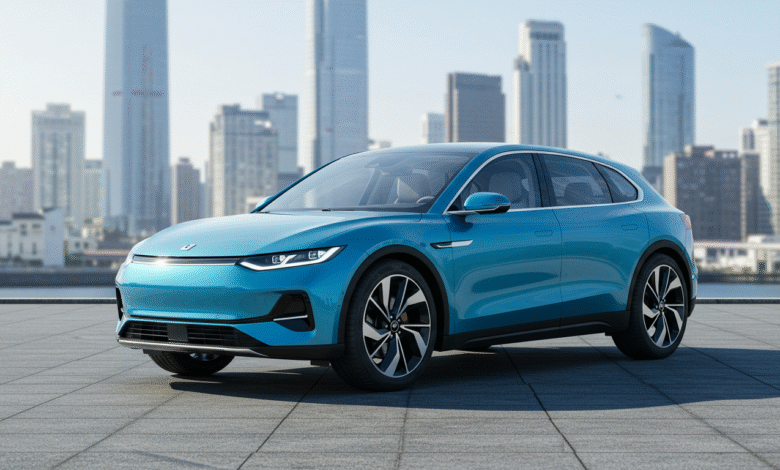
Myth 14: All EVs look strange or futuristic.
Truth: Early EVs often had unique designs, but today, there are EVs available in almost every shape and style, from sleek sedans to rugged trucks and classic-looking SUVs.
Myth 15: EVs are silent and dangerous for pedestrians.
Truth: EVs are required by law to emit a low-speed warning sound to alert pedestrians and cyclists. At higher speeds, tire and wind noise become noticeable, just like in other cars.
Myth 16: You cannot take an EV on a road trip.
Truth: Road tripping in an EV is totally possible! It requires a little more planning for charging stops, but with fast chargers growing, it’s becoming easier and easier. Many apps help you plan your route.
Myth 17: EVs will overload the power grid.
Truth: Studies show that the existing power grid can handle a large increase in EVs, especially if most charging happens during off-peak hours (like overnight), which many EV owners already do.
Myth 18: Hydrogen cars are better than battery EVs.
Truth: While hydrogen fuel cell cars exist, they face bigger challenges with fuel production, storage, and refueling infrastructure compared to battery electric vehicles, which are currently leading the market.
Myth 19: All EVs are expensive to insure.
Truth: Insurance costs vary greatly by model, driver, and location. While some newer, high-tech EVs might have higher premiums, many mainstream EV models have similar or even lower insurance costs than comparable gasoline cars.
Myth 20: EVs are just a passing trend.
Truth: Governments and major car manufacturers worldwide are heavily investing in EVs. Regulations are pushing for more electric cars, and customer demand is growing. EVs are here to stay and are the future of personal transportation.
Benefits / Why It Matters for Buyers
Busting these myths matters because it helps you see the real benefits of EVs. They offer lower running costs (electricity is cheaper than gas), quieter rides, quicker acceleration, and contribute to cleaner air. Understanding the truth can help you make a smart decision that saves you money, provides a better driving experience, and helps the environment.
Tips or Advice for Potential Buyers
- Do Your Research: Look at real-world range tests, not just advertised numbers.
- Rent or Test Drive: Experience an EV for yourself to see if it fits your driving style.
- Understand Charging: Figure out where you will primarily charge (home, work, public) and what type of charger you will need.
- Check Incentives: Look for federal, state, and local tax credits or rebates that can significantly lower the purchase price.
Conclusion
The world of electric vehicles is exciting and full of innovation. Don’t let old or untrue myths stop you from exploring what they have to offer. EVs have come a long way and are now a practical, powerful, and often affordable choice for many drivers. By separating fact from fiction, you can feel confident in considering an electric car for your next vehicle. The future of driving is electric, and it’s time to join the revolution!


