

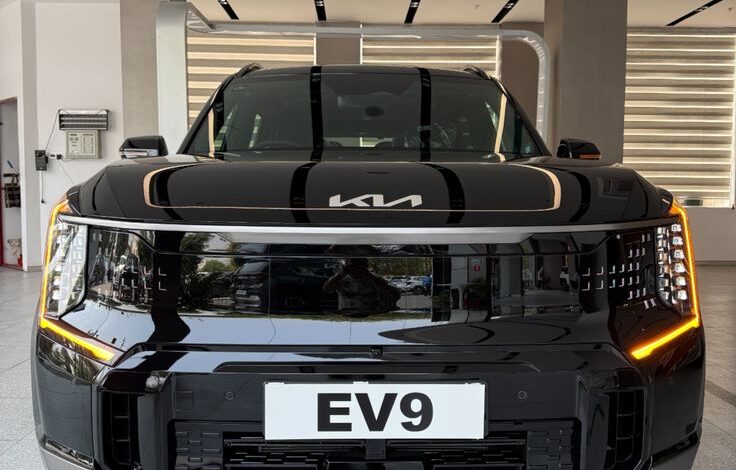
The future of clean driving is electric. But when most people say “electric,” they mean Battery Electric Vehicles (BEVs)—cars that plug into the wall.1 There is another player in the zero-emission race: the Hydrogen Fuel Cell Vehicle (FCEV).2
Hydrogen cars sound amazing: they fill up with gas in minutes (just like a gasoline car), they have long driving ranges, and their only emission is pure water vapor.3 So, will hydrogen cars ever compete with—or even replace—the plug-in EV?
The short answer, for the average driver, is no, probably not. For now, the global market is choosing to put its energy behind plug-in EVs. However, hydrogen is definitely finding its own important role. Let’s dive into the two distinct paths these technologies are taking.
The Fundamentals: How They Compare
Hydrogen cars (FCEVs) and Battery Electric Cars (BEVs) are both electric because they both use an electric motor to turn the wheels. The difference is where they get the electricity.4
| Feature | Battery Electric Vehicle (BEV) | Hydrogen Fuel Cell Vehicle (FCEV) |
| Energy Source | Electricity stored in a large battery pack. | Electricity generated on board by combining hydrogen gas with oxygen in a “fuel cell.” |
| Refueling/Charging Time | 30–60 minutes (fast charger) to several hours (home). | 3–5 minutes (similar to pumping gas). |
| Energy Efficiency | High (Converts 70–85% of grid power to movement). | Lower (Energy is lost in making, transporting, and converting hydrogen). |
| Vehicle Availability | Thousands of models globally. | Only a few models (e.g., Toyota Mirai, Hyundai Nexo) in select regions. |
| Infrastructure | Millions of charging points (home/public/work). | Fewer than 100 public stations in the US, mostly in California. |
Why BEVs Are Winning the Passenger Car Race
For the everyday driver, the Battery EV has established a huge lead, making it difficult for hydrogen to catch up in the passenger market.
1. Energy Efficiency is Key
Hydrogen vehicles are much less energy efficient.5 It takes a lot of electricity to create, compress, and transport hydrogen, and then more energy is lost converting it back into electricity in the car.6 It’s far more efficient (sometimes twice as efficient!) to simply use that electricity to charge a battery.7
2. Infrastructure is Everything
You can plug in an EV almost anywhere, even if it’s slow. About 80% of EV charging happens at home or work. Hydrogen, however, requires a massive network of expensive, high-pressure fueling stations—and that network simply doesn’t exist outside of a few test areas.8 Consumers won’t buy hydrogen cars if they can’t refuel, and companies won’t build stations without enough cars. It’s a classic “chicken-and-egg” problem.9
3. Cost and Complexity
The technology inside an FCEV is incredibly complex and expensive, involving high-pressure tanks and the fuel cell stack itself.10 This makes the cars and the fuel more expensive than current plug-in EVs.
Where Hydrogen Shines: The Niche Markets
While hydrogen is struggling for passenger cars, it is perfectly suited for specific, demanding jobs where long charging times or heavy batteries are a major problem.11 This is where hydrogen is expected to win.
Ideal Use Cases for Hydrogen
- Long-Haul Trucking: Trucks need to travel hundreds of miles and cannot afford hours of downtime for charging.12 They need a 10-minute fuel stop.
- Buses and Fleets: Public buses or delivery vans that run nearly 24/7 need quick turnaround times.13 Hydrogen can provide the long, reliable range without forcing big operational changes.14
- Heavy Equipment: Trains, port machinery, and construction vehicles require massive amounts of power for continuous use, where large batteries would be too heavy or impractical.
For these heavy-duty and commercial fleets, the fast refueling time of hydrogen is a huge advantage that outweighs the efficiency problems.15 This is where companies like Hyundai, Toyota, and Volvo are focusing their major hydrogen investments.
Why This Matters to Consumers
The competition between these two technologies is not a war, but a division of labor.
What to Watch For:
- For Car Buyers: Don’t wait for hydrogen. The market has decided on plug-in EVs for consumer vehicles. Focus on EV range, charging speed, and price drops.
- For the Planet: Hydrogen still plays a crucial role.16 If hydrogen is created using renewable energy (“Green Hydrogen”), it is an excellent way to decarbonize industrial and heavy transport sectors that batteries can’t easily reach.
In the end, it’s not about one technology completely winning, but about each one finding the role it is best at. For passenger cars, the future is overwhelmingly plug-in electric. For heavy-duty transport, however, hydrogen is just beginning its silent, powerful journey.


