

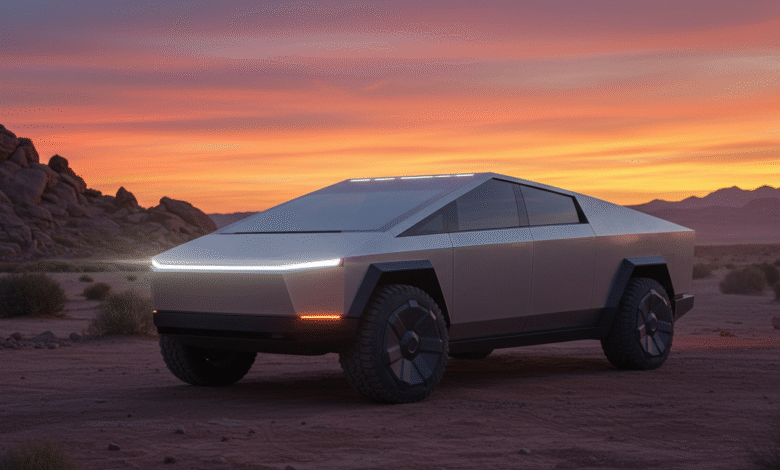
We’ll look at a mix of countries that lead in total EV numbers and those that lead in the percentage of new cars that are electric.
1. China 🇨🇳 (The Global Giant)
China is the biggest EV market by far. They have the most electric cars on the road—millions more than any other country. The government has pushed hard for this change with big subsidies and strict rules on pollution. They also have a huge advantage: they make a lot of their own affordable EVs, like those from BYD, and they are building charging stations everywhere.
2. Norway 🇳🇴 (The Percentage King)
Norway is the undisputed world leader when it comes to the percentage of new cars sold that are electric. In fact, almost 9 out of every 10 new cars sold there are EVs! This success is because the government made gasoline cars extremely expensive with high taxes, while EVs got tax breaks, free parking, and discounts on tolls. It makes an electric car cheaper to buy than a gas car.
3. United States 🇺🇸 (The Fast Grower)
The U.S. has the second-largest fleet of EVs in the world, thanks to its huge car market. Growth is accelerating fast, driven by big companies like Tesla and traditional brands like Ford and GM releasing popular new models. Government tax credits for buyers and massive plans to build charging infrastructure across the country are fueling this rapid adoption.
4. Sweden 🇸🇪 (A Scandinavian Star)
Following Norway, Sweden is another European leader with a very high rate of EV adoption. More than half of all new car sales in Sweden are now electric. This is helped by a focus on sustainability, generous buyer incentives, and reliable public charging.
5. Germany 🇩🇪 (Europe’s Car Factory)
As the birthplace of many famous car companies (like Volkswagen, BMW, and Mercedes-Benz), Germany is a huge market for EVs. It leads Europe in the total number of EVs on the road. The big German brands are racing to switch their production, which makes many new electric models easily available to German buyers.
6. Netherlands 🇳🇱 (Smart Charging)
The Netherlands is well-known for being one of the best countries for charging infrastructure. They have a dense network of public chargers, making EV ownership easy and convenient. This practical approach, along with government support, has pushed their new car EV sales to over a third of the market.
7. United Kingdom 🇬🇧 (Heading for a Ban)
The UK is moving fast, with a plan to stop selling new petrol and diesel cars in the near future. This goal has encouraged a quick switch to EVs. Many new models are being sold, and charging points are rapidly appearing in cities and along major roads.
8. France 🇫🇷 (Local Heroes)
France is another key European player. Their high EV adoption is helped by strong incentives for buyers and local carmakers like Renault and Stellantis (Peugeot/Citroën) releasing popular, affordable electric cars. Like many European nations, cities are also limiting access for older, polluting vehicles.
9. South Korea 🇰🇷 (Tech and Batteries)
South Korea is a major hub for high-tech vehicles and battery production (companies like LG Energy Solution and Samsung SDI). Strong local manufacturers like Hyundai and Kia are building globally competitive EVs. Government support is focused on R&D and expanding charging networks in densely populated areas.
10. Canada 🇨🇦 (Coastal Adoption)
Canada’s EV growth is strong, especially in provinces on the coasts (like British Columbia and Quebec) which have their own special incentives. Federal and provincial rebates help lower the purchase price, and the country is building up its charging corridors to connect long distances.
Why These Countries Lead the Way
These leading countries share a few major traits that the rest of the world can learn from. It’s not just one thing that makes the difference; it’s a combination:
- Consistent Government Support: They use “Carrot and Stick” methods. The “Carrot” is the incentive: tax breaks, purchase rebates, and free perks (like parking). The “Stick” is the punishment for old cars: high taxes on gas vehicles and rules that limit where they can drive in cities.
- Strong Charging Networks: Countries like the Netherlands and Norway invested early and heavily in reliable public charging stations. This helps defeat “range anxiety” (the fear of running out of battery).
- Local Manufacturing (for some): Countries like China and Germany have a massive advantage because their own car companies are pumping out millions of new electric models every year, often at lower prices.
Benefits: Why This Matters to You
The success of these countries is great news for you, the global consumer:
- Better, Cheaper Cars: As more countries adopt EVs, carmakers have to build better, more affordable models to compete globally. This means more choices, longer ranges, and lower prices for everyone, everywhere.
- Faster Innovation: The pressure to catch up with leaders like China and Norway forces companies to invent better batteries and faster charging technology.
- Cleaner Air: Every EV on the road means less pollution in cities. This is a huge win for public health globally.
Advice for Future EV Owners
Thinking about going electric? Here are a few tips based on what the leading countries have shown us:
- Check the Incentives: Before you buy, look up your local and national government incentives. You might be surprised by how much money you can save right now!
- Home Charging is Key: While public charging is improving, the most convenient way to own an EV is to charge it at home overnight. Make sure you can easily install a home charger.
- Don’t Fixate on Range: Most people drive less than 40 miles a day. A range of 200–250 miles is often more than enough for daily life. Focus on the features you truly need, not just the biggest battery number.
Conclusion
The electric vehicle revolution is fully underway, and these 10 countries are truly leading the charge. From Norway proving that nearly 100% EV sales are possible, to China showing how to scale production massively, their success stories offer a clear road map.
Keep watching these countries and their car companies. Their innovations today will become standard for you tomorrow. The electric future isn’t coming—it’s already here! Now is a great time to research the latest EV reviews and see if an electric car is the right move for your next vehicle.


