

Fisker Ocean Review: A Stylish EV Startup That Learned From Tesla’s Mistakes
For years, the electric vehicle landscape felt like a two-horse race: legacy automakers slowly catching up, and Tesla dominating the headlines with its disruptive technology and often, equally disruptive production woes. But what if a new contender emerged, one that not only brought stunning design and sustainable credentials to the table but also meticulously studied the pitfalls of its pioneering predecessor? Enter the Fisker Ocean, an all-electric SUV that aims to carve its niche by offering a compelling package without repeating the growing pains that have plagued many an EV startup. This isn’t just another EV; it’s a statement that thoughtful design, sustainable practices, and a smart manufacturing strategy can indeed coexist, learning from the hard lessons of the past.
The Tsunami of EVs: Why the Fisker Ocean Matters Now
The automotive industry is in the midst of its most profound transformation in a century. Every week, it seems a new electric vehicle graces our screens, promising revolutionary range, blistering performance, or unparalleled luxury. For car buyers and enthusiasts, this means an unprecedented array of choices, but also a minefield of hype versus reality. Range anxiety, charging infrastructure, battery longevity, and the long-term viability of new brands are all top of mind. The Fisker Ocean enters this fiercely competitive arena not just as another option, but as a potential benchmark for how a modern EV startup can launch and scale effectively. Its relevance lies in its promise: a beautiful, practical, and environmentally conscious vehicle built on a foundation designed to mitigate the manufacturing and software headaches that have notoriously challenged even the most established players. It’s a testament to the idea that you don’t always have to reinvent every wheel to succeed; sometimes, learning from others’ journeys is the smartest path.
Main Content: Diving Deep into the Fisker Ocean
Design: A Wave of Fresh Air
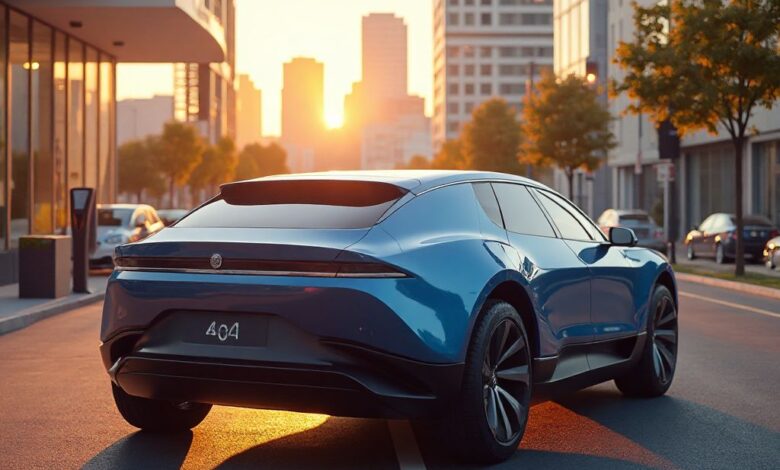
From the moment you lay eyes on the Fisker Ocean, it’s clear this isn’t just another blobby EV. Henrik Fisker, the man behind some of Aston Martin’s most iconic designs, has imbued the Ocean with a distinctive, muscular yet elegant aesthetic that immediately sets it apart. The low, wide stance, short overhangs, and sculpted body panels give it a powerful presence without resorting to overt aggression. The slim LED lighting signatures, particularly the rear, are instantly recognizable. Unique features like the optional SolarSky roof, which Fisker claims can add up to 1,500 miles of range per year under ideal conditions, are not just gimmicks but thoughtful additions that enhance the car’s sustainable ethos. And then there’s “California Mode” – a single button press that simultaneously lowers all eight windows (including the rear quarter windows) and retracts the panoramic roof, creating an open-air experience unlike any other SUV on the market. It’s a playful, distinctly Californian touch that speaks volumes about the brand’s lifestyle-oriented approach. Build quality, thanks to its production by Magna Steyr in Austria (the same facility that builds the Mercedes G-Wagen and BMW Z4), feels impressively solid, a refreshing departure from some early startup vehicle production inconsistencies.
Performance: More Than Just Speed
The Fisker Ocean offers a range of powertrains to suit different needs and budgets. The entry-level Ocean Sport comes with a single front-mounted motor producing 275 horsepower, capable of hitting 0-60 mph in a respectable 6.9 seconds. Step up to the Ultra or Extreme trims, and you get a dual-motor, all-wheel-drive setup. The Ultra bumps power to 540 hp, dropping the 0-60 time to a brisk 3.9 seconds, while the top-tier Extreme unleashes 564 hp, rocketing from 0-60 mph in a thrilling 3.6 seconds. These figures put it squarely in contention with rivals like the Tesla Model Y Performance and Ford Mustang Mach-E GT. However, the Ocean’s performance isn’t just about straight-line speed. The ride quality is generally composed, leaning towards comfort over aggressive sportiness, which will appeal to a broader audience. Handling is predictable, with well-weighted steering that offers decent feedback. It’s not a track weapon, nor does it pretend to be, but it’s a highly capable and enjoyable daily driver, perfectly suited for urban commutes and highway cruising alike.
Interior: Sustainable Sanctuary Meets Digital Hub
Open the door and the Ocean’s commitment to sustainability becomes immediately apparent. Fisker claims the interior uses over 50 kg (110 lbs) of recycled and ethically sourced materials, from the recycled plastic bottle carpets to the repurposed fishing net components. This isn’t just marketing fluff; it feels genuinely premium and thoughtfully designed. The cabin design is clean and modern, dominated by a massive 17.1-inch central touchscreen that can rotate from portrait to landscape orientation, a feature that feels genuinely innovative and useful for navigation or media consumption. While some might find the single screen approach a bit too minimalist (a la Tesla), Fisker’s inclusion of physical buttons for essential functions like volume and climate control is a welcome nod to user-friendliness. Rear passenger space is generous for a compact SUV, and the panoramic roof (standard on higher trims) enhances the sense of airiness. Storage is ample, and the overall fit and finish are impressive for a first-generation vehicle from a new brand. It feels like a space designed for living, not just driving.
Technology: Smart, But Still Growing
The heart of the Ocean’s technology suite is its FI-OS infotainment system. The rotating central screen is undoubtedly the star, offering crisp graphics and generally intuitive navigation. Standard features include Apple CarPlay and Android Auto (though initially wired, wireless is expected via OTA updates), a robust suite of advanced driver-assistance systems (ADAS) dubbed Fisker Intelligent Pilot, and over-the-air (OTA) update capability. This latter point is crucial, as it allows Fisker to continuously improve the vehicle’s software, add new features, and address bugs post-purchase – a lesson clearly learned from Tesla’s successful deployment of OTA updates. While the system is generally responsive, early reviews have noted some minor software glitches and occasional lag, which is not uncommon for new platforms. However, Fisker’s commitment to continuous improvement through OTA updates suggests these will likely be ironed out over time. The Fisker Intelligent Pilot includes adaptive cruise control, lane-keeping assist, blind-spot monitoring, and automatic emergency braking, all performing competently in real-world conditions.
Value for Money: A Premium Proposition
The Fisker Ocean’s pricing strategy places it squarely in the premium segment, competing with well-established players and other upstart EVs. Starting around $38,999 for the Sport trim (before incentives), it offers compelling value for an EV of its size and design. However, the real sweet spot for many will be the Ultra and Extreme trims, which fetch prices closer to $50,000-$70,000. For this, you get significantly more power, longer range (up to an EPA-estimated 360 miles for the Extreme, which is excellent), and a host of premium features like the SolarSky roof and California Mode. Compared to a base Tesla Model Y, the Ocean Sport offers a more distinctive design and potentially better value for money, while the higher trims go head-to-head with the Model Y Long Range and Performance, as well as the Hyundai Ioniq 5 Limited, Kia EV6 GT-Line, and Ford Mustang Mach-E GT. Fisker’s direct-to-consumer sales model aims to simplify the buying process, though the nascent service network is still a consideration for potential buyers. Given its unique design, sustainable focus, and robust build quality, the Ocean presents a strong value proposition for those seeking something beyond the mainstream.
Verdict: A Promising Start
The Fisker Ocean is more than just a pretty face; it’s a well-executed electric SUV that delivers on much of its promise. It combines head-turning design with a practical, sustainable interior and respectable performance. While its software still has room to mature, the underlying hardware and manufacturing quality are impressive. It feels like a thoughtfully designed product from a company that has indeed taken notes from the successes and struggles of early EV pioneers.
Expert Analysis: Beyond the Spec Sheet
Having watched the EV market evolve for a decade, a few insider insights stand out regarding the Fisker Ocean:
- The Magna Steyr Advantage: Fisker’s decision to outsource manufacturing to Magna Steyr is a masterstroke that directly addresses one of Tesla’s biggest early challenges: “production hell.” By leveraging an experienced contract manufacturer known for quality and scalability, Fisker bypasses the monumental capital expenditure and learning curve of building its own factories. This allows them to focus on design, software, and brand building, significantly de-risking their launch. It’s a smart play that many legacy automakers could learn from.
- Software as the New Differentiator: While the Ocean’s hardware is solid, the true battleground for EV startups is software. Tesla set the bar high with its intuitive UI and robust OTA updates. Fisker’s FI-OS system shows promise, but its maturity and stability over time will be critical. Early adopters are often forgiving, but mainstream buyers expect seamless integration and bug-free operation. Fisker’s ability to rapidly iterate and improve its software will define its long-term appeal.
- The Power of Design in a Homogenized Market: In a world where many EVs are starting to look quite similar, Henrik Fisker’s design prowess is a major asset. The Ocean’s distinct aesthetics and features like California Mode create an emotional connection that pure performance or range numbers often can’t. This design-first approach, combined with sustainable materials, gives the Ocean a unique identity that stands out against the more utilitarian offerings from brands like Volkswagen or even the sometimes-austere interiors of Tesla.
- Sustainable Storytelling: Fisker isn’t just building an EV; it’s building a brand around sustainability. The extensive use of recycled materials and the SolarSky roof aren’t just features; they’re part of a compelling narrative that resonates with a growing segment of environmentally conscious buyers. This authentic commitment to sustainability could be a powerful differentiator, attracting buyers who want their vehicle choice to align with their values, much like Rivian has done with its adventure-focused narrative.
- The Service Network Conundrum: For any new direct-to-consumer brand, building out a robust service and support network is paramount. While Fisker has a solid manufacturing partner, the long-term ownership experience hinges on accessible and reliable service. This is an area where legacy automakers still have an advantage, and it’s a key concern for first-time EV buyers or those new to startup brands. Fisker’s strategy for mobile service and strategic partnerships will be crucial to building customer confidence.
Brand Comparisons and Mentions
The Fisker Ocean finds itself in a bustling segment. Its most direct competitor is arguably the Tesla Model Y, which offers similar performance and range but with a more minimalist design and a well-established Supercharger network. The Hyundai Ioniq 5 and Kia EV6 are strong contenders, boasting striking designs, rapid charging, and excellent value, though perhaps not the same level of luxury aspiration. The Ford Mustang Mach-E also vies for attention with its sporty credentials and recognizable badge. For those looking for a more premium experience, the Ocean could be cross-shopped with the BMW iX or Audi Q4 e-tron, offering a unique alternative to established luxury. Among other startups, Rivian focuses on adventure, while Lucid targets ultra-luxury performance. The Ocean carves its niche by blending unique design, sustainability, and accessible premium features, aiming for a broader appeal than some of its more specialized rivals.
Pros and Cons
- Pros:
- Striking, distinctive exterior design
- Innovative features like California Mode and SolarSky roof
- High-quality, sustainable interior materials and design
- Excellent range on higher trims (up to 360 miles EPA)
- Solid build quality thanks to Magna Steyr manufacturing
- Competitive performance, especially in AWD variants
- Commitment to OTA updates for continuous improvement
- Strong value proposition for a premium EV
- Cons:
- Software system, while promising, still needs maturity and refinement
- Limited physical buttons may not appeal to all users
- New brand means an evolving service and charging network
- Higher trims can be quite expensive
- Not as performance-oriented as some rivals (e.g., Tesla Model Y Performance)
Final Verdict: A Refreshing Wave in the EV Ocean
The Fisker Ocean is a genuinely exciting entry into the increasingly crowded electric vehicle market. It’s a stylish, thoughtfully designed, and sustainably focused SUV that manages to feel both premium and practical. By strategically partnering with Magna Steyr for production, Fisker has sidestepped many of the manufacturing headaches that plagued early EV startups, allowing them to focus on delivering a refined product from the outset. While its software still has some room to grow, the foundation is incredibly solid, and the promise of continuous improvement via OTA updates is reassuring.
For first-time EV buyers, the Ocean offers a compelling package that combines unique aesthetics with impressive range and modern technology, all without the perception of compromise. Experienced car owners looking to make the leap to electric will appreciate its refreshing design, quality interior, and the sheer practicality it offers as a daily driver. If you’


